Blog

  • Do You Actually Need a Multivitamin in Kenya? Honest 2026 Facts

    Do You Actually Need a Multivitamin in Kenya? Honest 2026 Facts

    Not everyone needs a multivitamin, especially if they regularly eat a varied and balanced diet. A multivitamin may be useful when dietary intake is inadequate or nutritional requirements are increased, but it should not replace a healthy diet.

    Walking into a pharmacy and choosing the biggest bottle of vitamins may feel like an easy way to improve your health.

    But more vitamins do not automatically mean better health.

    A multivitamin Kenya product usually contains several vitamins and minerals in one formulation. The exact ingredients and amounts vary considerably between products.

    Whether you need one depends on factors such as:

    • Your diet
    • Age
    • Pregnancy
    • Lifestyle
    • Existing medical conditions
    • Certain medications
    • Nutritional deficiencies
    • Dietary restrictions
    • Increased nutritional requirements

    For someone eating a varied diet, a multivitamin may provide little additional benefit.

    For someone with a confirmed deficiency or difficulty meeting nutritional requirements, a specific supplement may be more appropriate.

    You can explore vitamins and supplements at Our Mall Pharmacy when comparing nutritional products.


    What Is a Multivitamin?

    A multivitamin is a dietary supplement containing a combination of vitamins and sometimes minerals. A multivitamin Kenya product can differ substantially from another in its ingredients, strengths and recommended serving.

    Common ingredients may include:

    • Vitamin A
    • Vitamin C
    • Vitamin D
    • Vitamin E
    • Vitamin K
    • B vitamins
    • Calcium
    • Magnesium
    • Zinc
    • Iron
    • Selenium

    However, not every product contains all of these nutrients.

    Some formulations are designed for:

    • Adults
    • Women
    • Men
    • Older adults
    • Pregnant women
    • Children

    The label should therefore be checked carefully before purchase.


    Who May Benefit From a Multivitamin?

    Some people may benefit from nutritional supplementation because of restricted diets, increased nutritional requirements, poor appetite, certain medical conditions or documented deficiencies. The appropriate supplement depends on the individual’s nutritional needs rather than the popularity of a particular product.

    Groups that may need nutritional supplementation include some people who:

    • Have a medically diagnosed nutrient deficiency
    • Follow highly restricted diets
    • Have conditions affecting nutrient absorption
    • Have poor appetite
    • Have increased nutritional requirements
    • Are pregnant
    • Are older adults with inadequate dietary intake
    • Take medicines that affect nutrient metabolism

    However, this does not mean everyone in these groups automatically needs a multivitamin.

    For example, pregnancy often requires specific nutritional guidance rather than simply choosing an ordinary adult multivitamin.

    Pregnant women can explore Mother and Baby products and discuss appropriate supplementation with their healthcare provider.


    Do I Need Supplements If I Eat Well?

    If you regularly eat a varied diet containing vegetables, fruits, whole grains, legumes, protein foods and appropriate sources of fats, you may not need a general multivitamin. Supplements are most useful when they address a genuine nutritional need.

    A balanced diet can provide many essential nutrients.

    Examples include:

    Food Nutrients It Can Provide
    Sukuma wiki and other leafy vegetables Folate, vitamin K and other nutrients
    Beans and lentils Protein, iron and folate
    Eggs Protein, vitamin B12 and other nutrients
    Fish Protein and selected vitamins and minerals
    Milk and yoghurt Calcium, protein and other nutrients
    Fruits Vitamin C, folate and other nutrients
    Whole grains B vitamins and minerals
    Nuts and seeds Healthy fats and minerals

    The goal should not be to replace these foods with tablets.

    Instead, supplements can fill specific nutritional gaps when appropriate.


    When Are Vitamins Worth Taking?

    Vitamins are most worth taking when there is a demonstrated deficiency, an increased nutritional requirement or a recognised reason why diet alone may not provide enough. Taking unnecessary high-dose vitamins does not guarantee better health.

    Examples where supplementation may be considered include:

    • Confirmed vitamin D deficiency
    • Iron deficiency
    • Pregnancy-related nutritional requirements
    • Specific dietary restrictions
    • Certain malabsorption conditions
    • Clinically identified nutritional deficiencies

    The best supplement is therefore not necessarily the one containing the most ingredients.

    It is the one that addresses an actual need at an appropriate dose.

    For a wider range of nutritional products, see Our Mall Pharmacy’s supplements.


    Is a Multivitamin Better Than Individual Supplements?

    A multivitamin can be convenient when several nutrients are needed, but an individual supplement may be more appropriate when a specific deficiency requires targeted treatment. The choice should depend on nutritional needs, dosage and professional advice.

    Consider the difference:

    Situation Potentially Appropriate Approach
    General healthy diet Food-first approach
    Confirmed iron deficiency Appropriate iron treatment
    Confirmed vitamin D deficiency Appropriate vitamin D supplementation
    Pregnancy Pregnancy-specific nutritional guidance
    Restricted diet Individual nutritional assessment
    Multiple deficiencies Professional assessment before choosing products

    A general multivitamin may contain too little of a nutrient to treat an established deficiency.

    For example, someone with confirmed iron-deficiency anaemia may require an iron treatment regimen rather than relying on a standard multivitamin.


    How Should You Read a Supplement Label?

    Good supplement label reading means checking the serving size, nutrient amounts, ingredients, daily values where provided, warnings and recommended use. The front of the package is not enough to determine whether a multivitamin is suitable.

    When reading a multivitamin Kenya label, check these areas.

    1. Serving Size

    A product may say “one tablet” while another requires two or more tablets per serving.

    Always compare products based on the full recommended serving.

    2. Nutrient Amount

    Look at how much of each vitamin or mineral is provided.

    3. Form of the Nutrient

    Some nutrients have different chemical forms.

    4. Other Ingredients

    Check for:

    • Sweeteners
    • Colouring agents
    • Preservatives
    • Allergens
    • Herbal ingredients

    5. Warnings

    Read age restrictions, pregnancy warnings and other precautions.

    6. Recommended Use

    Follow the manufacturer’s directions unless your healthcare professional provides different instructions.


    What Does “% Daily Value” Mean?

    The percentage listed beside a nutrient helps indicate how much of that nutrient the serving provides relative to the reference value used on the label. It should be considered alongside the actual amount, your diet and your individual nutritional needs.

    A product with a very high percentage is not automatically better.

    For some nutrients, excessive intake can cause harm.

    This is especially important when several products are taken together.

    For example, someone might take:

    • A multivitamin
    • A vitamin D supplement
    • A calcium supplement
    • An immune-support product

    If several contain overlapping nutrients, total intake can become unnecessarily high.


    Can You Take Too Many Vitamins?

    Yes, excessive intake of certain vitamins and minerals can cause adverse effects. Fat-soluble vitamins such as A, D, E and K can accumulate in the body, while excessive amounts of some minerals can also be harmful.

    Vitamins are often divided into two groups.

    Water-Soluble Vitamins

    These include:

    • Vitamin C
    • B vitamins

    Excess amounts are generally more readily excreted, although very high intakes can still cause problems.

    Fat-Soluble Vitamins

    These include:

    • Vitamin A
    • Vitamin D
    • Vitamin E
    • Vitamin K

    These can accumulate in the body.

    This is one reason high-dose supplementation should not be treated as harmless simply because a product is sold as a vitamin.


    Can a Multivitamin Cause Side Effects?

    Multivitamins can cause side effects in some people, particularly when they contain iron, zinc or other minerals. Possible effects include nausea, stomach discomfort, constipation or changes in bowel habits.

    Potential side effects depend on the ingredients.

    For example:

    • Iron may cause constipation or nausea.
    • Zinc may cause nausea when taken in excess.
    • Magnesium may cause diarrhoea in some formulations.
    • High doses of certain vitamins can cause toxicity.

    Taking a supplement with food may improve tolerance for some products.

    However, always follow the product instructions.


    Do Multivitamins Give You More Energy?

    Multivitamins do not automatically increase energy in people who already receive adequate nutrients. If fatigue is caused by a nutritional deficiency, correcting that deficiency may improve symptoms, but persistent tiredness should be investigated rather than treated with vitamins alone.

    This is one of the most common supplement claims consumers encounter.

    Someone feeling tired may immediately search for:

    “best multivitamin for energy.”

    But fatigue can have many causes.

    These include:

    • Poor sleep
    • Stress
    • Iron deficiency
    • Vitamin B12 deficiency
    • Thyroid problems
    • Infection
    • Dehydration
    • Other medical conditions

    If tiredness persists, professional assessment may be more useful than simply changing supplements.


    Should You Take a Multivitamin Every Day?

    Some multivitamins are designed for daily use, but whether daily supplementation is appropriate depends on the product and the individual’s nutritional needs. Always follow the recommended serving and avoid combining multiple products unnecessarily.

    Daily use is common for many multivitamin formulations.

    However, do not assume that taking several vitamin products together is better.

    Before starting daily supplementation, check:

    • What nutrients are already in your diet
    • What your multivitamin contains
    • Other supplements you take
    • Your medicines
    • Your medical conditions

    If you are unsure, ask a pharmacist to review your products.

    You can contact Our Mall Pharmacy for professional guidance.


    Should You Take a Multivitamin in the Morning or at Night?

    There is no universal best time for every multivitamin. The appropriate timing depends on the formulation, individual tolerance and other medicines or supplements being taken.

    Some people prefer breakfast because it makes the supplement easier to remember.

    Others take it with lunch or dinner.

    Consistency is usually more important than choosing a particular hour.

    However, some nutrients can interact with medicines or other supplements.

    If you take prescription medicines, ask a pharmacist about appropriate timing.


    Multivitamin Kenya: What Should You Look For?

    When choosing a multivitamin Kenya product, focus on the nutrients you actually need, appropriate amounts, clear labelling and reputable manufacturing rather than choosing the product with the longest ingredient list.

    Use this checklist:

    • Clear ingredient list
    • Appropriate nutrient amounts
    • Recommended serving clearly stated
    • Expiry date
    • Manufacturer information
    • Storage instructions
    • Age suitability
    • Relevant warnings
    • No unnecessary duplicate supplementation

    Avoid choosing a product solely because it says:

    • “Maximum strength”
    • “Complete formula”
    • “Mega vitamins”
    • “Ultimate energy”
    • “Detox”

    Marketing language does not replace nutritional evidence.


    Are Expensive Multivitamins Better?

    A higher price does not automatically mean a multivitamin is more effective or better suited to your needs. Compare ingredients, nutrient amounts, formulation, quality information and intended use rather than price alone.

    Two products can have very different prices while containing similar nutrients.

    When comparing products, ask:

    1. What nutrients does it contain?
    2. How much of each nutrient is provided?
    3. What is the serving size?
    4. Is it appropriate for my age?
    5. Do I actually need these nutrients?
    6. Am I already taking any of them elsewhere?

    This approach makes supplement shopping more practical.


    Multivitamins and Kenyan Diets

    A multivitamin should complement, not replace, a varied Kenyan diet. Traditional and commonly eaten foods such as beans, vegetables, fruits, grains, eggs, milk, fish and meat can provide a broad range of nutrients.

    Kenyan meals can be highly nutritious when varied.

    Examples include:

    Breakfast

    • Porridge
    • Eggs
    • Milk
    • Fruit
    • Whole-grain foods

    Lunch

    • Beans
    • Rice
    • Sukuma wiki
    • Other vegetables
    • Meat or fish

    Dinner

    • Ugali
    • Vegetables
    • Beans
    • Fish
    • Meat or other protein sources

    The exact nutritional value depends on portion sizes, preparation and dietary variety.

    The important principle is food first where practical.


    Do Nairobi Residents Need a Multivitamin?

    Living in Nairobi does not automatically create a need for a multivitamin. Nutritional requirements depend more on diet, lifestyle, health status and individual risk factors than on simply living in the city.

    Nairobi’s fast-paced lifestyle can make regular meals challenging for some people.

    Some residents may:

    • Skip breakfast
    • Eat meals away from home
    • Depend heavily on convenience foods
    • Work long hours
    • Have irregular schedules

    These habits may make it harder to maintain a varied diet.

    However, the solution is not automatically a multivitamin.

    Improving meal quality may be more beneficial when practical.


    What About Multivitamins in Rongai, Ngong and Karen?

    Residents of Rongai, Ngong and Karen have the same basic nutritional principles as people elsewhere in Kenya: a varied diet remains the foundation, while supplements can address specific nutritional needs when appropriate.

    Lifestyle differs considerably across these areas.

    Some people may work outdoors, while others spend most of their day in offices, schools or homes.

    Commuting patterns can also affect meal timing.

    The appropriate supplement therefore depends on the individual rather than the neighbourhood.


    Can a Multivitamin Replace Healthy Food?

    No. A multivitamin cannot replace the protein, fibre, essential fats, carbohydrates and wide range of naturally occurring compounds provided by a varied diet. Supplements should generally complement healthy eating rather than substitute for it.

    Food provides more than isolated vitamins.

    For example, fruits and vegetables can provide:

    • Fibre
    • Vitamins
    • Minerals
    • Plant compounds
    • Water

    Legumes can provide:

    • Protein
    • Fibre
    • Iron
    • Folate

    Fish can provide:

    • Protein
    • Essential fatty acids
    • Various micronutrients

    A tablet cannot reproduce the complete nutritional profile of a balanced meal.


    What Should You Do If You Suspect a Vitamin Deficiency?

    If you suspect a vitamin deficiency, discuss your symptoms and risk factors with a healthcare professional rather than taking multiple high-dose supplements. Testing may be appropriate for certain suspected deficiencies.

    For example, persistent fatigue could lead to consideration of:

    • Iron deficiency
    • Vitamin B12 deficiency
    • Vitamin D deficiency
    • Thyroid problems
    • Other medical causes

    The appropriate test depends on the symptoms and clinical circumstances.

    Self-prescribing multiple supplements can make it difficult to identify the real cause.

    For general health information, explore Our Mall Pharmacy’s health articles.


    What Do Pharmacists Commonly See With Multivitamins?

    Pharmacists commonly encounter customers choosing multivitamins based on advertising, energy claims or the number of ingredients rather than an identified nutritional need. A useful pharmacy conversation focuses on diet, symptoms, medicines, age and the purpose of supplementation.

    Common questions include:

    • “Which multivitamin is the best?”
    • “Which vitamin gives me energy?”
    • “Can I take this with my medicine?”
    • “Do I need iron as well?”
    • “Can I take two different vitamin products?”
    • “Is the most expensive supplement better?”

    A pharmacist may ask:

    1. What are you hoping the supplement will do?
    2. What medicines do you take?
    3. What other supplements do you use?
    4. What does your typical diet look like?
    5. Are you pregnant or breastfeeding?
    6. Have you had any recent blood tests?
    7. Do you have any medical conditions?

    This helps turn supplement shopping into a more informed health decision.


    Multivitamin Medication and Supplement Comparison

    The right nutritional product depends on its purpose, ingredients and the person’s needs. A general multivitamin should not automatically be used in place of targeted treatment for a diagnosed deficiency.

    Product Type Main Purpose Best Consideration
    General multivitamin Broad nutritional supplementation Dietary gaps
    Vitamin D3 Vitamin D supplementation Confirmed deficiency/risk
    Iron supplement Iron replacement Confirmed or suspected deficiency under guidance
    Calcium + Vitamin D Bone-related nutritional support Individual dietary requirements
    B-complex B-vitamin supplementation Specific nutritional needs
    Prenatal supplement Pregnancy nutrition Pregnancy-specific requirements

    For products designed for different health needs, browse all products at Our Mall Pharmacy.


    Top 7 Multivitamin Kenya Facts

    A multivitamin can be useful in specific situations, but it is not automatically necessary for everyone. These seven facts can help you make a more informed decision before buying one.

    1. A balanced diet remains the foundation of good nutrition.
    2. Not everyone needs a multivitamin.
    3. Specific deficiencies may require targeted supplements.
    4. A longer ingredient list does not mean a better product.
    5. Always read the full supplement label.
    6. Combining multiple supplements can create unnecessary nutrient overlap.
    7. Persistent symptoms should be professionally assessed rather than automatically treated with vitamins.

    Frequently Asked Questions About Multivitamin Kenya

    Do I need supplements if I eat a balanced diet?

    Not necessarily. A varied diet can provide many essential nutrients, although some people may require supplementation because of specific nutritional or medical circumstances.

    What is the best multivitamin in Kenya?

    There is no single best multivitamin for everyone. The most appropriate product depends on age, diet, nutritional needs, health status and the nutrients contained in the formulation.

    Can multivitamins give you energy?

    Multivitamins do not automatically increase energy when nutritional intake is already adequate. If fatigue is caused by a deficiency, treating that deficiency may help, but persistent fatigue needs proper assessment.

    How do I read a supplement label?

    Start with the serving size, nutrient amounts, ingredients, warnings, recommended use and expiry date. Check the entire label rather than relying only on claims printed on the front of the package.

    Can I take a multivitamin with other supplements?

    Sometimes, but check for overlapping ingredients and possible interactions. A pharmacist can review all your supplements and medicines to help prevent unnecessary duplication.

    Are expensive multivitamins better?

    Not necessarily. Price does not prove effectiveness, so compare ingredients, amounts, formulation and suitability for your needs instead.

    Should I take a multivitamin every day?

    Some products are intended for daily use, but daily supplementation is not automatically necessary for everyone. Follow the product directions or professional advice.

    Can a multivitamin replace healthy food?

    No. Multivitamins provide selected nutrients but cannot replace the protein, fibre, healthy fats and other components of a varied diet.


    Conclusion: Do You Actually Need a Multivitamin?

    You may not need a multivitamin if you consistently eat a varied, balanced diet and have no specific nutritional requirements. A multivitamin can be useful when it addresses a genuine dietary or medical need, but more vitamins are not automatically better.

    Before buying a multivitamin Kenya product, ask yourself what you want it to achieve.

    If you are trying to correct fatigue, identify a deficiency first rather than automatically choosing a high-strength product.

    If your diet is limited, consider whether improving food choices could address the gap.

    If you have a diagnosed deficiency, a targeted supplement may be more appropriate than a general multivitamin.

    And if you already take several products, read the labels carefully to avoid unnecessary duplication.

    The best approach is simple:

    Eat well first. Supplement when there is a reason. Ask a pharmacist when you are unsure.

    For nutritional products, visit Our Mall Pharmacy’s vitamins and supplements section, or contact our pharmacy team for guidance.


    Contact Our Mall Pharmacy

    Call Us: +254 722 390 003

    Mon-Sat 9AM-8PM, Sun 10:30AM-6PM

    WhatsApp: Chat with a Pharmacist (Instant responses)

    Email: ourmallpharmacy@gmail.com

    (We reply within 2 hours)

    Visit Us:

    Our Mall, Off Magadi Rd, Avocado Lane, Ground Floor (Shop No. 22)

    Mon-Sat 9AM-8PM, Sun 10:30AM-6PM
  • Iron Deficiency and Anaemia in Kenya: A Practical 2026 Guide

    Iron Deficiency and Anaemia in Kenya: A Practical 2026 Guide

    Iron deficiency occurs when the body does not have enough iron to meet its needs, while iron-deficiency anaemia develops when low iron contributes to reduced haemoglobin production. Iron deficiency Kenya is particularly important to recognise because tiredness and weakness can have many different causes.

    Iron is an essential mineral.

    The body uses it to produce haemoglobin, a protein in red blood cells that carries oxygen around the body.

    When iron stores become depleted, the body may initially have low iron reserves without having anaemia.

    If the deficiency becomes more significant, haemoglobin production can be affected and iron-deficiency anaemia may develop.

    This distinction matters.

    Someone can have depleted iron stores before developing obvious anaemia symptoms.

    For that reason, simply taking an iron supplement because you feel tired may not always be the right approach.

    You can explore vitamins and supplements at Our Mall Pharmacy for general nutritional products.


    What Is Anaemia?

    Anaemia means the blood has a lower-than-normal haemoglobin concentration or red-cell capacity to carry oxygen, depending on the diagnostic criteria used. Iron deficiency is one possible cause of anaemia, but infections, chronic diseases, vitamin deficiencies and inherited conditions can also cause it.

    Anaemia is therefore not a single disease.

    It is a finding that can have several causes.

    Possible causes include:

    • Iron deficiency
    • Vitamin B12 deficiency
    • Folate deficiency
    • Blood loss
    • Chronic kidney disease
    • Chronic inflammation
    • Certain inherited blood disorders
    • Some infections
    • Other medical conditions

    This is why identifying the cause is important.

    Treating every case of anaemia with iron may not correct the underlying problem.


    What Causes Iron Deficiency in Kenya?

    Iron deficiency Kenya can result from inadequate dietary iron, increased nutritional requirements, blood loss or problems absorbing iron. Heavy menstrual bleeding, pregnancy, childhood growth and some gastrointestinal conditions can increase the risk.

    Common causes and risk factors include:

    Heavy Menstrual Bleeding

    People who experience heavy or prolonged menstrual bleeding can lose significant amounts of iron over time.

    Pregnancy

    Iron requirements increase during pregnancy because of changes in blood volume and the needs of the developing baby.

    Pregnant women should follow advice from their antenatal healthcare provider before choosing supplements.

    For pregnancy and baby-related products, see the Mother and Baby section.

    Low Dietary Intake

    People who consume limited amounts of iron-rich foods may have difficulty meeting their requirements.

    Blood Loss

    Blood loss from gastrointestinal problems or other causes can contribute to iron deficiency.

    Absorption Problems

    Some digestive conditions can interfere with nutrient absorption.

    Increased Requirements

    Children and adolescents experiencing rapid growth may have increased nutritional requirements.


    What Are the Symptoms of Iron Deficiency and Anaemia?

    Common anaemia symptoms include tiredness, weakness, shortness of breath during activity, dizziness and headaches, although symptoms vary and can have other causes. Iron deficiency can sometimes exist before obvious anaemia symptoms develop.

    Possible symptoms include:

    • Persistent fatigue
    • Weakness
    • Dizziness
    • Headaches
    • Shortness of breath during activity
    • Pale skin
    • Reduced exercise tolerance
    • Feeling unusually cold
    • Difficulty concentrating

    More severe anaemia can cause significant breathlessness, rapid heartbeat or chest symptoms.

    Anyone experiencing severe or rapidly worsening symptoms should seek prompt medical attention.

    Importantly, fatigue alone does not prove iron deficiency Kenya.

    Poor sleep, stress, infections, thyroid disorders and other nutritional deficiencies can also cause fatigue.


    What Is the Difference Between Iron Deficiency and Anaemia?

    Iron deficiency means the body’s iron stores or available iron are too low, while iron-deficiency anaemia occurs when the deficiency has progressed enough to reduce haemoglobin production. A person can therefore have iron deficiency without yet having anaemia.

    Condition What It Means Possible Symptoms
    Normal iron status Adequate iron stores Usually none related to iron
    Iron deficiency Iron stores are low May have few or no symptoms
    Iron-deficiency anaemia Iron deficiency has affected haemoglobin production Fatigue, weakness, breathlessness and other symptoms

    This distinction explains why testing can be useful before taking an iron supplement.


    What Tests Check for Iron Deficiency?

    A healthcare professional may use a full blood count together with iron studies to investigate suspected iron deficiency. Ferritin is particularly useful because it provides an indication of stored iron, although results need to be interpreted in clinical context.

    Tests may include:

    • Full blood count (FBC/CBC)
    • Haemoglobin
    • Mean corpuscular volume (MCV)
    • Ferritin
    • Serum iron
    • Transferrin or total iron-binding capacity
    • Transferrin saturation

    Not every person requires every test.

    The appropriate investigation depends on symptoms, medical history and clinical findings.


    What Is a Ferritin Test in Kenya?

    A ferritin test measures ferritin, a protein that stores iron, and is commonly used to assess the body’s iron stores. A ferritin test Kenya healthcare provider orders can help identify iron deficiency, but inflammation and other conditions can affect ferritin results.

    Ferritin is particularly useful because it provides information about stored iron.

    However, ferritin can increase during inflammation or infection.

    This means a “normal” ferritin result does not always completely exclude iron deficiency in every clinical situation.

    Healthcare professionals may therefore consider ferritin alongside:

    • Haemoglobin
    • FBC results
    • Symptoms
    • Inflammatory conditions
    • Medical history
    • Other iron studies

    If you are concerned about iron deficiency Kenya, ask a healthcare professional whether testing is appropriate.


    Why Should You Test Before Taking Iron Supplements?

    Testing can help determine whether iron deficiency is actually present and whether another condition could be causing the symptoms. Taking iron unnecessarily may cause side effects and can delay investigation of another underlying problem.

    A person experiencing tiredness may think:

    “I must need iron.”

    But tiredness can have many causes.

    For example:

    • Sleep deprivation
    • Stress
    • Infection
    • Thyroid disorders
    • Vitamin B12 deficiency
    • Folate deficiency
    • Chronic illness

    Testing can therefore provide a more reliable starting point.

    The principle is simple:

    Find the likely cause before treating it.


    What Are the Common Types of Iron Supplements?

    Common oral iron supplements include ferrous salts such as ferrous sulfate, ferrous fumarate and ferrous gluconate, while other formulations may use different iron compounds. The amount of elemental iron varies between products, so labels should be checked carefully.

    Common forms include:

    Iron Form Category General Consideration
    Ferrous sulfate Oral iron Commonly used iron salt
    Ferrous fumarate Oral iron Provides elemental iron
    Ferrous gluconate Oral iron Another iron salt
    Iron bisglycinate Oral iron Chelated formulation
    Multivitamin with iron Nutritional supplement Usually contains a smaller amount of iron

    The name of the iron compound does not tell you the entire amount of elemental iron.

    This is why comparing products by tablet weight alone can be misleading.


    Iron Supplement Dosage: What Should You Know?

    Iron dosage depends on whether supplementation is being used for nutritional support or treatment of confirmed iron deficiency or anaemia. The appropriate treatment dose should be determined by a healthcare professional rather than copied from another person’s prescription.

    This is especially important for children and pregnant women.

    Treatment may depend on:

    • Age
    • Weight
    • Haemoglobin level
    • Ferritin level
    • Severity of deficiency
    • Pregnancy status
    • Tolerance
    • Cause of iron deficiency

    There is no single “best iron dose” for everyone.

    Medication and Supplement Table

    Product/Form Category Typical Use Dosage Availability
    Ferrous sulfate Iron supplement Treating iron deficiency As prescribed/recommended Pharmacy
    Ferrous fumarate Iron supplement Iron replacement As prescribed/recommended Pharmacy
    Ferrous gluconate Iron supplement Iron replacement As prescribed/recommended Pharmacy
    Iron bisglycinate Iron supplement Iron supplementation Follow product/professional guidance Pharmacy
    Multivitamin with iron Supplement Nutritional support Follow label Pharmacy

    The correct amount should be based on the actual product and individual requirements.


    What Are Iron Supplement Side Effects?

    Common iron supplement side effects include constipation, nausea, abdominal discomfort and changes in stool colour. Taking iron with food may improve tolerance for some people, although it can reduce absorption depending on the formulation and meal.

    Common iron supplement side effects include:

    • Constipation
    • Nausea
    • Abdominal discomfort
    • Bloating
    • Diarrhoea in some people
    • Dark or black stools

    Dark stools can occur with oral iron and are often expected.

    However, black, tarry stools accompanied by other symptoms can also indicate gastrointestinal bleeding and should not automatically be attributed to iron.

    Seek medical advice if symptoms are severe or unusual.


    How Can You Reduce Iron Supplement Side Effects?

    Starting the recommended regimen correctly and discussing troublesome symptoms with a pharmacist can improve tolerance. If side effects are significant, the formulation, dose or schedule may sometimes need adjustment under professional guidance.

    Practical steps include:

    1. Follow the recommended dose.
    2. Take the supplement consistently.
    3. Drink adequate fluids.
    4. Include fibre-rich foods if constipation occurs.
    5. Discuss persistent nausea with a pharmacist.
    6. Do not double the dose after a missed dose unless instructed.
    7. Ask whether taking it with food is appropriate.

    Different iron formulations can have different tolerability profiles.

    If side effects are making treatment difficult, do not simply stop treatment without discussing the problem with a healthcare professional.


    Should Iron Be Taken With Food?

    Iron absorption can vary depending on the formulation and what is eaten with it. Some iron products are absorbed better on an empty stomach, while taking iron with food may improve stomach tolerance.

    Certain foods and drinks can reduce iron absorption.

    These may include:

    • Tea
    • Coffee
    • Calcium-rich foods or supplements
    • Some high-fibre foods

    Vitamin C can improve absorption of non-haem iron.

    However, the best timing depends on the specific product and the person’s tolerance.

    A pharmacist can help establish a practical schedule.


    Can Vitamin C Help Iron Absorption?

    Vitamin C can enhance the absorption of non-haem iron, particularly from plant-based foods. Foods such as oranges, mangoes, tomatoes and other vitamin C-rich fruits and vegetables can therefore complement an iron-containing meal.

    Kenyan meals can provide useful combinations.

    For example:

    • Beans + tomatoes
    • Lentils + vegetables
    • Sukuma wiki + a vitamin C-rich food
    • Fortified cereals + fruit

    The overall diet matters more than relying on one food.


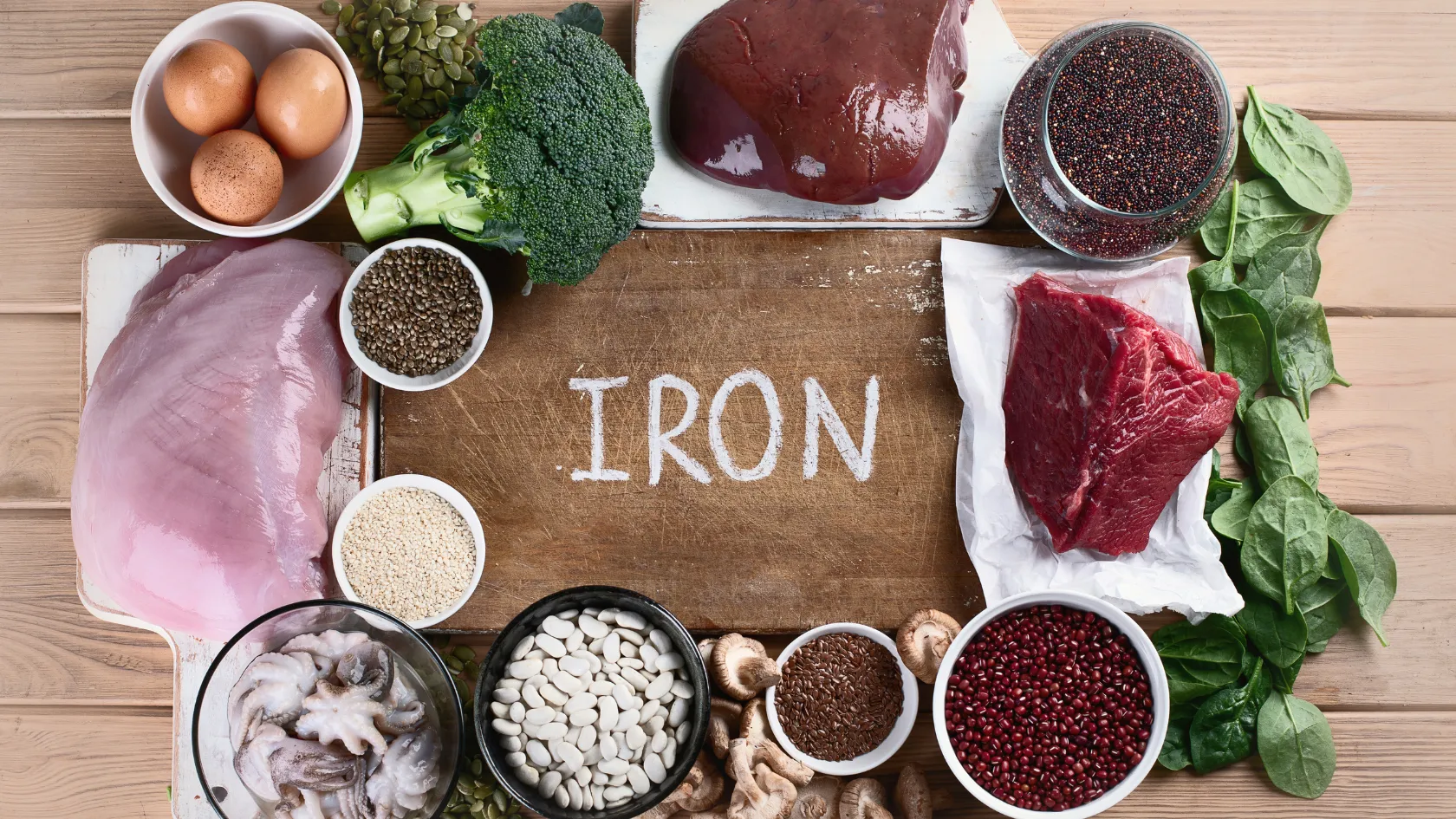
    Which Kenyan Foods Are High in Iron?

    Kenyan diets can provide iron through both animal and plant foods. Meat, fish and other animal foods provide haem iron, while beans, lentils, leafy vegetables and fortified foods provide non-haem iron.

    Examples include:

    Animal Sources

    • Beef
    • Liver
    • Fish
    • Chicken
    • Other meats

    Plant Sources

    • Beans
    • Lentils
    • Cowpeas
    • Green leafy vegetables
    • Peas
    • Fortified cereals

    Vitamin C-rich foods can be combined with plant sources to improve non-haem iron absorption.


    Can Kenyan Meals Help Prevent Iron Deficiency?

    A balanced Kenyan diet containing iron-rich foods can contribute to maintaining adequate iron intake, but diet alone may not correct established iron-deficiency anaemia. Confirmed deficiency may require supplementation and investigation of the underlying cause.

    Practical meal combinations include:

    Meal Iron Source Helpful Addition
    Beans + vegetables Plant iron Tomato or fruit
    Beef + sukuma wiki Haem + non-haem iron Fresh vegetables
    Lentils + vegetables Plant iron Vitamin C-rich food
    Fish + vegetables Haem iron Fruit or vegetables
    Fortified cereal Added iron Fruit

    Diet is an important part of prevention, but established deficiency requires appropriate assessment.


    Iron Deficiency and Heavy Periods

    Heavy menstrual bleeding can cause ongoing iron loss and may contribute to iron deficiency or iron-deficiency anaemia. People with unusually heavy, prolonged or frequent periods should discuss the bleeding itself with a healthcare professional rather than treating only the resulting iron deficiency.

    Signs that menstrual bleeding may be unusually heavy can include:

    • Needing to change sanitary products very frequently
    • Bleeding for longer than expected
    • Passing large blood clots
    • Bleeding that interferes with normal activities
    • Repeated symptoms of fatigue or weakness

    Iron replacement may address the deficiency, but identifying and treating the cause of heavy bleeding is also important.


    Iron Deficiency During Pregnancy

    Iron requirements increase during pregnancy, making adequate iron intake important. Pregnant women should follow antenatal guidance on iron supplementation because the appropriate product and dose depend on individual needs.

    Pregnancy increases the body’s nutritional requirements.

    Healthcare providers may recommend iron-containing prenatal supplements depending on individual circumstances and local antenatal protocols.

    Do not take high-dose iron simply because pregnancy can increase iron requirements.

    For maternal and baby products, visit Our Mall Pharmacy’s Mother and Baby section.


    Iron Deficiency in Children

    Children can develop iron deficiency when dietary intake does not meet their needs or when other risk factors are present. Iron supplements for children should be carefully dosed because excessive iron can be dangerous.

    Parents should avoid giving children adult iron supplements.

    Seek professional advice when a child has:

    • Persistent tiredness
    • Poor appetite
    • Pale appearance
    • Poor growth
    • Difficulty concentrating
    • Unusual weakness

    Iron products should be kept safely away from children because accidental ingestion of large amounts can cause serious poisoning.


    What Does a Pharmacist Ask Before Recommending Iron?

    A pharmacist may ask about symptoms, age, pregnancy status, diet, menstrual bleeding, existing medicines and previous blood-test results before recommending an iron product. This helps distinguish appropriate supplementation from situations requiring medical investigation.

    A typical pharmacy discussion may include:

    1. What symptoms are you experiencing?
    2. Have you had an FBC or ferritin test?
    3. Are your periods heavy?
    4. Are you pregnant or breastfeeding?
    5. What medicines are you currently taking?
    6. Are you already using a multivitamin?
    7. Have you used iron before?
    8. Did you experience side effects?

    This practical assessment can help prevent unnecessary supplementation.


    Can You Take Iron With Other Medicines?

    Iron can interfere with the absorption of some medicines and supplements, while some medicines can also affect iron absorption. The correct separation period depends on the specific medicines involved, so ask a pharmacist before combining them.

    Examples that may require attention include:

    • Certain antibiotics
    • Thyroid medicines
    • Calcium supplements
    • Antacids
    • Other mineral supplements

    Do not assume that taking everything together is safe.

    A pharmacist can review the full list of medicines and supplements.

    For products related to digestive health, see Digestive Health at Our Mall Pharmacy.


    How Long Does Iron Treatment Take to Work?

    Iron treatment does not usually correct deficiency overnight. Symptoms may improve gradually, while restoring iron stores can take longer and depends on the severity of deficiency, treatment adherence, absorption and whether the underlying cause has been addressed.

    Treatment duration varies.

    A healthcare professional may monitor:

    • Haemoglobin
    • Ferritin
    • Symptoms
    • Treatment tolerance

    Stopping treatment as soon as you feel better may not necessarily mean that iron stores have been fully restored.

    Follow-up testing may be recommended depending on the original cause and severity.


    Why Does Iron Deficiency Keep Coming Back?

    Recurring iron deficiency may indicate that the underlying cause has not been addressed. Continued blood loss, heavy menstrual bleeding, inadequate dietary intake, absorption problems or another medical condition may need investigation.

    If iron deficiency repeatedly returns, healthcare professionals may investigate:

    • Heavy menstrual bleeding
    • Gastrointestinal blood loss
    • Dietary intake
    • Absorption problems
    • Pregnancy-related requirements
    • Chronic conditions

    Simply repeating iron supplements without investigating recurrent deficiency may miss the underlying cause.


    Iron Deficiency in Nairobi: What Should Residents Know?

    Iron deficiency Kenya is not limited to one region, and Nairobi residents can develop iron deficiency for many of the same reasons as people elsewhere. Busy schedules, dietary patterns, heavy menstrual bleeding, pregnancy and underlying health conditions can all influence iron status.

    In Nairobi, pharmacists may encounter customers seeking supplements because of:

    • Fatigue after demanding work schedules
    • Heavy periods
    • Pregnancy
    • Dietary concerns
    • Previous anaemia
    • Self-diagnosed low energy

    The important question is not simply:

    “Which iron supplement should I buy?”

    It is:

    “Why might my iron be low?”

    That question can lead to better healthcare decisions.


    When Should You Seek Medical Help?

    Seek medical advice for persistent fatigue, significant weakness, breathlessness, repeated dizziness, heavy bleeding or suspected anaemia. Severe breathlessness, chest pain, fainting or rapidly worsening symptoms require urgent medical assessment.

    Do not rely solely on an over-the-counter supplement if symptoms are significant.

    Prompt assessment is especially important when there is:

    • Pregnancy
    • Heavy bleeding
    • Possible gastrointestinal bleeding
    • Severe weakness
    • Fainting
    • Chest pain
    • Significant breathlessness

    If you need general health support, you can contact Our Mall Pharmacy.


    Top 7 Facts About Iron Deficiency Kenya

    Iron deficiency Kenya is best understood through testing, diet, symptoms and the underlying cause. These seven points summarise the most important information before starting an iron supplement.

    1. Fatigue does not automatically mean iron deficiency.
    2. Ferritin can help assess iron stores.
    3. Iron deficiency can occur before anaemia develops.
    4. Heavy menstrual bleeding can contribute to iron loss.
    5. Pregnancy increases iron requirements.
    6. Iron supplements commonly cause gastrointestinal side effects.
    7. Repeated deficiency should prompt investigation of the underlying cause.

    Frequently Asked Questions About Iron Deficiency Kenya

    What are the main anaemia symptoms?

    Common anaemia symptoms include fatigue, weakness, dizziness, headaches and breathlessness during activity. Symptoms vary and can also be caused by conditions other than iron deficiency.

    What is the ferritin test used for?

    Ferritin is used to estimate the body’s stored iron and is commonly included when investigating suspected iron deficiency. Results should be interpreted alongside other blood tests and clinical information.

    Should I take iron without a blood test?

    It is better to seek professional advice before starting therapeutic iron, particularly when symptoms are unexplained. Testing can help determine whether iron deficiency is actually present and whether another cause needs investigation.

    What are the common iron supplement side effects?

    Constipation, nausea, abdominal discomfort and dark stools are common iron supplement side effects. If symptoms are severe or persistent, speak with a pharmacist or healthcare professional.

    What foods contain iron?

    Iron is found in foods such as meat, fish, beans, lentils, leafy vegetables and fortified cereals. Combining plant-based iron sources with vitamin C-rich foods can improve absorption of non-haem iron.

    Can heavy periods cause iron deficiency?

    Yes. Heavy or prolonged menstrual bleeding can cause ongoing iron loss and may contribute to iron deficiency and anaemia. The cause of heavy bleeding should also be assessed.

    Is iron deficiency common during pregnancy?

    Pregnancy increases iron requirements, so pregnant women may be at increased risk of iron deficiency. Iron supplementation should follow antenatal or healthcare-provider guidance.

    How long should I take an iron supplement?

    Treatment duration varies according to the severity and cause of deficiency and how well treatment is tolerated. Follow-up blood tests may be used to determine whether treatment has restored haemoglobin and iron stores.


    Conclusion: Test Before You Guess

    Iron deficiency Kenya should be approached with assessment rather than guesswork. Testing can help determine whether iron stores are low, whether anaemia is present and whether another condition could be responsible for symptoms.

    If you are tired, weak or experiencing dizziness, do not automatically assume that you need an iron supplement.

    A healthcare professional may recommend an FBC, ferritin test or other investigations depending on your symptoms and circumstances.

    If iron deficiency is confirmed, an appropriate iron supplement can help restore iron levels. However, side effects such as constipation and nausea are common, and the right formulation and dose matter.

    Diet also plays an important role.

    Kenyan meals containing beans, lentils, leafy vegetables, meat, fish and fortified foods can contribute to iron intake, particularly when combined with a balanced diet.

    Most importantly, recurring iron deficiency should not simply be treated repeatedly without investigating why it keeps happening.

    For professional guidance on supplements and healthcare products, explore Our Mall Pharmacy’s supplement range or contact our pharmacy team.


    Contact Our Mall Pharmacy

    Call Us: +254 722 390 003

    Mon-Sat 9AM-8PM, Sun 10:30AM-6PM

    WhatsApp: Chat with a Pharmacist (Instant responses)

    Email: ourmallpharmacy@gmail.com

    (We reply within 2 hours)

    Visit Us:

    Our Mall, Off Magadi Rd, Avocado Lane, Ground Floor (Shop No. 22)

    Mon-Sat 9AM-8PM, Sun 10:30AM-6PM
  • Vitamin D in Kenya: Why Sunshine Is Not the Whole Story

    Vitamin D in Kenya: Why Sunshine Is Not the Whole Story

    Vitamin D is an essential nutrient that helps the body absorb calcium and supports normal bones, muscles and other body functions. Although sunlight can help the body produce vitamin D, living in a sunny country does not automatically mean that vitamin D levels are sufficient.

    Vitamin D is often called the “sunshine vitamin” because the body can produce it when skin is exposed to ultraviolet B (UVB) radiation.

    It also comes from certain foods and supplements.

    Adequate vitamin D is important for:

    • Normal calcium absorption
    • Maintaining healthy bones and teeth
    • Normal muscle function
    • Supporting normal immune function
    • Healthy growth and development

    When vitamin D levels are too low, calcium metabolism and bone health can be affected.

    This makes vitamin D deficiency an important nutritional issue to understand in Kenya, particularly among people who spend little time outdoors.

    For nutritional products, explore vitamins and supplements at Our Mall Pharmacy.

    Can You Have Vitamin D Deficiency in Kenya Despite Sunshine?

    Yes, vitamin D deficiency can occur in Kenya despite abundant sunshine. Indoor lifestyles, limited direct sun exposure, skin pigmentation, clothing, age and certain health conditions can all affect vitamin D production.

    The assumption that “Kenya is sunny, so nobody can be vitamin D deficient” is too simple.

    Consider someone working in an office in Nairobi.

    They may:

    1. Leave home early.
    2. Commute to work.
    3. Spend eight or more hours indoors.
    4. Eat lunch inside.
    5. Leave work in the evening.
    6. Spend the rest of the day indoors.

    Although this person lives in a sunny environment, their actual exposure to direct sunlight may be limited.

    Sunlight passing through ordinary glass is also not an effective substitute for direct outdoor exposure because glass blocks most UVB radiation.

    Why Does Indoor Work Affect Vitamin D Levels?

    People who spend most of their day indoors may have less opportunity for the UVB exposure needed for vitamin D production. This is particularly relevant for office workers, students, remote workers and night-shift employees.

    Urban lifestyles have changed how many people experience sunlight.

    Common indoor routines include:

    • Office-based employment
    • Remote working
    • School and university schedules
    • Shopping-centre work
    • Healthcare shifts
    • Night-shift employment

    A person does not need to spend excessive time in the sun to maintain health, but limited outdoor exposure can be one factor contributing to low vitamin D.

    Does Darker Skin Increase the Risk of Low Vitamin D?

    Darker skin contains more melanin, which reduces the efficiency of vitamin D production from UVB exposure. This means people with darker skin may require more UVB exposure than people with lighter skin to produce a similar amount of vitamin D.

    This is particularly relevant in Kenya and other African populations.

    However, skin pigmentation is only one factor.

    Vitamin D status also depends on:

    • Outdoor exposure
    • Clothing
    • Age
    • Diet
    • Geography
    • Individual health
    • Certain medications

    People should not deliberately seek excessive sunlight to prevent vitamin D deficiency because too much UV exposure carries its own health risks.

    Who Is at Risk of Vitamin D Deficiency in Kenya?

    People with limited sun exposure, darker skin, older age, certain medical conditions or specific nutritional risks may be more likely to have low vitamin D. A healthcare professional can assess individual risk and determine whether testing is appropriate.

    Groups that may warrant particular attention include:

    • Older adults
    • People who spend most of their time indoors
    • People with very limited sun exposure
    • People with darker skin
    • People with conditions affecting fat absorption
    • People who have undergone certain gastrointestinal procedures
    • People taking medicines that affect vitamin D metabolism
    • Some infants and children with specific nutritional risk factors

    Pregnant and breastfeeding women should discuss vitamin D requirements with their healthcare provider rather than starting high-dose supplements independently.

    For pregnancy-related healthcare products, visit the Mother and Baby section.

    What Are the Symptoms of Low Vitamin D?

    Low vitamin D may cause no obvious symptoms, particularly when deficiency is mild. When symptoms occur, they can include fatigue, muscle weakness and bone discomfort, but these symptoms are not specific to vitamin D deficiency.

    Possible symptoms include:

    • Tiredness
    • Muscle weakness
    • Bone discomfort
    • Muscle aches
    • Reduced physical strength

    The problem is that these symptoms can have many causes.

    For example, persistent fatigue may be associated with:

    • Iron deficiency
    • Poor sleep
    • Stress
    • Infection
    • Thyroid problems
    • Other nutritional deficiencies
    • Certain medicines

    This is why taking a vitamin D supplement based only on fatigue may not address the underlying problem.

    What Is a Vitamin D Test in Nairobi?

    The standard blood test used to assess vitamin D status is the serum 25-hydroxyvitamin D test, commonly written as 25(OH)D. A healthcare professional can determine whether testing is appropriate and interpret the result alongside your health history and symptoms.

    If vitamin D deficiency is suspected, a clinician may request a blood test.

    The test measures the concentration of 25(OH)D in the blood.

    A healthcare professional may recommend testing when there are:

    • Relevant symptoms
    • Significant risk factors
    • Bone health concerns
    • Certain medical conditions
    • Reasons to consider high-dose supplementation

    Laboratories may use different reference ranges, so patients should discuss their results with the clinician who requested the test rather than interpreting a number without context.

    How Does Vitamin D Testing Work?

    Vitamin D testing normally involves collecting a blood sample that is analysed for 25(OH)D. The result is then interpreted according to the laboratory’s reference range and the individual’s clinical circumstances.

    The process generally involves four stages.

    1. Clinical Assessment

    The healthcare professional considers:

    • Symptoms
    • Medical history
    • Diet
    • Sun exposure
    • Current medicines
    • Existing supplements

    2. Blood Collection

    A healthcare professional collects a blood sample.

    3. Laboratory Testing

    The laboratory measures 25(OH)D.

    4. Result Interpretation

    The result is assessed together with the person’s health circumstances.

    A low result does not automatically mean that everyone needs the same dose or duration of supplementation.

    Should Everyone in Kenya Take a Vitamin D3 Supplement?

    No, not everyone in Kenya needs a vitamin D3 supplement. Supplementation may be appropriate for people with confirmed deficiency, inadequate intake, increased nutritional needs or specific risk factors, but the dose should match individual requirements.

    Before taking a supplement, consider:

    • Your dietary intake
    • Sun exposure
    • Age
    • Pregnancy status
    • Medical conditions
    • Current medicines
    • Other supplements
    • Whether testing is appropriate

    You can browse Our Mall Pharmacy’s vitamins and supplements or contact the pharmacy team for professional guidance.

    What Is Vitamin D3?

    Vitamin D3, also known as cholecalciferol, is one of the main forms of vitamin D used in supplements. It is widely available in tablets, capsules and liquid preparations.

    Another form is vitamin D2, known as ergocalciferol.

    Feature Vitamin D2 Vitamin D3
    Scientific name Ergocalciferol Cholecalciferol
    Used in supplements Yes Yes
    Common formulation Tablets/capsules Tablets/capsules/drops
    Supports vitamin D levels Yes Yes
    Commonly available Yes Yes

    Vitamin D3 is frequently used in supplements, but the most appropriate product depends on the person’s needs.

    What Are the Best Vitamin D Supplements in Kenya?

    There is no single vitamin D supplement that is best for everyone. Vitamin D3 is a commonly used option, while combination products may include calcium or other nutrients when appropriate.

    Common formulations include:

    Supplement Type Main Ingredient Common Purpose Form
    Vitamin D3 Cholecalciferol Vitamin D supplementation Tablet/capsule
    Vitamin D drops Cholecalciferol Vitamin D supplementation Liquid
    Vitamin D + Calcium Vitamin D and calcium Bone health support Tablet
    Multivitamin Multiple nutrients General nutritional support Tablet/capsule

    When comparing products, check the actual amount of vitamin D per serving rather than choosing based only on package size.

    Explore all products at Our Mall Pharmacy to view available healthcare products.

    How Much Vitamin D Should You Take?

    Vitamin D requirements vary according to age, health status and individual circumstances. Treatment for confirmed deficiency may involve a different regimen from routine supplementation, so high-dose vitamin D should only be used with appropriate professional guidance.

    There is no universal dose that is suitable for every person.

    A healthcare professional may consider:

    • Age
    • Pregnancy
    • Breastfeeding
    • Vitamin D test results
    • Kidney health
    • Calcium levels
    • Existing supplements
    • Other medicines

    Maintenance Is Different From Treatment

    Routine supplementation and treatment of a confirmed deficiency should not be confused.

    Someone with adequate vitamin D may not require high-dose supplementation, while a person with confirmed deficiency may require a specific treatment regimen.

    Do not copy another person’s high-dose vitamin D schedule.

    Can Vitamin D Be Taken With Calcium?

    Vitamin D helps the body absorb calcium, making both nutrients important for normal bone health. However, taking a calcium supplement is not automatically necessary for everyone who takes vitamin D.

    Calcium can be obtained from foods such as:

    • Milk
    • Yoghurt
    • Cheese
    • Fortified foods
    • Certain leafy vegetables
    • Small fish eaten with edible bones

    Whether a calcium supplement is appropriate depends on dietary intake and individual health needs.

    What Is the Best Time to Take Vitamin D?

    Vitamin D can generally be taken with a meal containing some dietary fat, which can support absorption. The most important factor for routine supplementation is following the recommended schedule consistently.

    Depending on the product and instructions, people may take vitamin D with:

    • Breakfast
    • Lunch
    • Dinner

    If you take several medicines or supplements, ask a pharmacist whether any should be separated.

    You can also explore healthcare products at Our Mall Pharmacy.

    Can Vitamin D Supplements Cause Side Effects?

    Vitamin D is generally well tolerated at recommended amounts, but excessive intake can cause dangerously high calcium levels. High-dose vitamin D should therefore be used only when medically appropriate.

    Excessive vitamin D intake may contribute to:

    • Nausea
    • Vomiting
    • Constipation
    • Excessive thirst
    • Frequent urination
    • Weakness
    • Confusion

    Severe toxicity can cause serious kidney problems.

    This is why taking more vitamin D does not necessarily produce better results.

    What Should You Check Before Buying a Vitamin D Supplement?

    Check the product’s vitamin D form, strength, serving size, expiry date and other ingredients before buying. If you already use a multivitamin or other supplements, check their labels to avoid accidentally exceeding recommended intake.

    Before purchasing, check:

    • Vitamin D3 or D2
    • Amount per tablet or serving
    • Recommended serving size
    • Other vitamins or minerals
    • Expiry date
    • Manufacturer information
    • Storage requirements

    A pharmacist can help compare different products and identify a suitable option.

    Vitamin D and Sunlight in Nairobi

    Nairobi’s sunny climate provides opportunities for vitamin D production, but many residents spend much of the day indoors. Actual sunlight exposure therefore matters more than simply knowing that Nairobi receives plenty of sunshine.

    Consider common routines in areas such as Kilimani and Westlands.

    An office worker may spend most of the day inside, while someone working outdoors may have substantially greater sun exposure.

    In Karen, outdoor activity may be easier for some residents, but individual routines still determine actual exposure.

    In Rongai and Ngong, commuting and work schedules can similarly influence how much time people spend outdoors.

    The key point is that sunshine availability and personal sunlight exposure are not the same thing.

    What About Vitamin D in Mombasa and Other Sunny Areas?

    People living in Mombasa and other sunny areas can also have low vitamin D if their lifestyle limits direct sunlight exposure. Geography alone cannot determine an individual’s vitamin D status.

    For example, someone working indoors in Mombasa may have less sun exposure than an outdoor worker in Nairobi.

    Other factors remain important:

    • Occupation
    • Outdoor activity
    • Clothing
    • Skin pigmentation
    • Age
    • Diet
    • Health conditions

    Can Food Provide Enough Vitamin D?

    Food can contribute to vitamin D intake, but relatively few foods naturally contain substantial amounts of vitamin D. Dietary sources and fortified foods can therefore form part of an overall strategy for maintaining adequate intake.

    Potential dietary sources include:

    • Fatty fish
    • Egg yolks
    • Fortified dairy products
    • Fortified cereals
    • Fortified plant-based products

    A balanced diet remains important even when supplementation is recommended.

    What Happens If You Take Too Much Vitamin D?

    Excessive vitamin D intake can cause vitamin D toxicity and dangerously increase calcium levels in the blood. This is one reason high-dose supplements should not be taken without appropriate medical supervision.

    Potential complications include:

    • High blood calcium
    • Kidney stones
    • Kidney impairment
    • Nausea
    • Vomiting
    • Dehydration
    • Weakness

    One common mistake is combining several products that all contain vitamin D without checking their total content.

    What Do Pharmacists Commonly Hear About Vitamin D?

    Pharmacists commonly hear customers assume that fatigue, body aches or weakness automatically mean vitamin D deficiency. These symptoms have many possible causes, so professional assessment is important before starting high-dose supplementation.

    Common questions include:

    • “I live in Kenya, so can I still have low vitamin D?”
    • “Which vitamin D3 supplement should I buy?”
    • “I work indoors; should I take vitamin D?”
    • “Can vitamin D cure my body aches?”
    • “Should I take vitamin D with calcium?”

    A pharmacist can review the product you are considering and advise whether you should seek testing or further clinical assessment.

    For more healthcare information, visit Our Mall Pharmacy’s health articles.

    When Should You See a Healthcare Professional?

    Persistent fatigue, unexplained muscle weakness, bone discomfort or other ongoing symptoms should be assessed rather than automatically treated with vitamin D. Medical advice is especially important before using high-dose supplements or if you have an underlying health condition.

    Speak with a healthcare professional if you:

    • Have persistent unexplained symptoms
    • Have kidney disease
    • Have a calcium-related condition
    • Are pregnant or breastfeeding
    • Take multiple medicines
    • Have a condition affecting nutrient absorption
    • Are considering high-dose vitamin D

    For ongoing health support, visit the Chronic Care section.

    Frequently Asked Questions About Vitamin D Deficiency in Kenya

    Can you have vitamin D deficiency in Kenya?

    Yes. Living in a sunny country does not guarantee adequate vitamin D levels because indoor lifestyles, skin pigmentation, limited exposure and other factors can affect vitamin D production.

    What is the best test for vitamin D deficiency?

    The commonly used blood test is serum 25-hydroxyvitamin D, or 25(OH)D. A healthcare professional should interpret the result using the laboratory’s reference range and your individual circumstances.

    What are the symptoms of low vitamin D?

    Possible symptoms include fatigue, muscle weakness and bone or muscle discomfort. However, these symptoms can have many other causes and do not confirm vitamin D deficiency by themselves.

    Is vitamin D3 better than vitamin D2?

    Both vitamin D2 and D3 can raise vitamin D levels. Vitamin D3 is a commonly used supplement form, but the appropriate choice depends on individual circumstances.

    Do I need vitamin D supplements if I get plenty of sunshine?

    Not necessarily. Some people obtain sufficient vitamin D through sunlight, while others may remain at risk because of lifestyle, skin pigmentation or other factors.

    Can I take vitamin D every day?

    Daily vitamin D supplementation may be appropriate for some people, but the correct amount depends on age, health status and individual needs. High-dose daily supplementation should not be started without professional guidance.

    Can vitamin D supplements improve energy?

    Vitamin D supplementation may improve symptoms associated with deficiency, but fatigue has many possible causes. It is important to identify the underlying cause rather than assuming low vitamin D is responsible.

    Where can I get vitamin D supplements in Kenya?

    Vitamin D supplements are commonly available from pharmacies and healthcare retailers in Kenya. A pharmacist can help you compare formulations and choose an appropriate product.

    Conclusion

    Vitamin D deficiency in Kenya is possible despite the country’s abundant sunshine. Sunlight availability is only one part of the picture; indoor work, skin pigmentation, age, clothing, diet and certain health conditions can all affect vitamin D status.

    If you are experiencing persistent fatigue, muscle weakness or bone discomfort, do not automatically assume that you need vitamin D supplements. A healthcare professional can assess your symptoms and risk factors and determine whether a vitamin D test in Nairobi or elsewhere is appropriate.

    For people who need supplementation, vitamin D3 is a commonly used option. However, the appropriate product and dose depend on individual circumstances, and high-dose supplementation should be professionally guided.

    For more information, consult Our Mall Pharmacy or explore our health articles.


    Contact Our Mall Pharmacy

    Call Us: +254 722 390 003

    Mon-Sat 9AM-8PM, Sun 10:30AM-6PM

    WhatsApp: Chat with a Pharmacist (Instant responses)

    Email: ourmallpharmacy@gmail.com

    (We reply within 2 hours)

    Visit Us:

    Our Mall, Off Magadi Rd, Avocado Lane, Ground Floor (Shop No. 22)

    Mon-Sat 9AM-8PM, Sun 10:30AM-6PM
  • Adult Acne Kenya: Building a Safe Routine That Does Not Backfire

    Adult Acne Kenya: Building a Safe Routine That Does Not Backfire

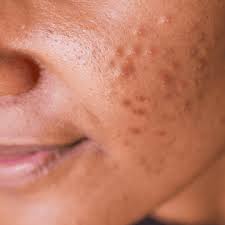
    Adult acne Kenya is common and can persist well beyond the teenage years. A simple routine built around gentle cleansing, appropriate acne treatments, moisturising and sun protection can help, while aggressive scrubbing and using too many active ingredients can make irritation and dark marks worse.

    Adult acne can be particularly frustrating when breakouts are followed by dark marks that remain long after the spots have disappeared. This is especially relevant for melanin-rich skin, where inflammation can trigger noticeable post-inflammatory hyperpigmentation.

    A good adult acne Kenya routine should therefore address both active breakouts and the risk of irritation and pigmentation.

    The goal is not to dry the skin out completely. It is to control acne while maintaining a healthy skin barrier.


    What Is Adult Acne Kenya?

    Adult acne Kenya refers to acne that occurs during adulthood, including persistent acne that continues from adolescence or acne that begins later in life. It can involve blackheads, whiteheads, pimples, inflamed lesions and deeper nodules.

    Adult acne can affect:

    • The forehead.
    • Cheeks.
    • Chin.
    • Jawline.
    • Neck.
    • Chest.
    • Back.

    Different people have different triggers.

    Common factors can include:

    • Hormonal changes.
    • Genetics.
    • Certain medications.
    • Occlusive cosmetics.
    • Stress.
    • Friction.
    • Excessive skincare.
    • Underlying hormonal conditions.

    Persistent acne should not automatically be blamed on poor hygiene.


    Why Can Adult Acne Be Difficult on Dark Skin?

    Adult acne on dark skin can be particularly noticeable because inflammation may leave post-inflammatory hyperpigmentation after the original spot heals. Preventing irritation and treating acne consistently can therefore be as important as treating the visible pimples themselves.

    A pimple may disappear within days while the dark mark remains for weeks or months.

    This creates a common cycle:

    Acne → inflammation → dark mark → aggressive treatment → irritation → more pigmentation.

    A good adult acne Kenya routine aims to break this cycle.


    What Is the Best Adult Acne Routine for Kenyan Skin?

    A basic adult acne routine should include gentle cleansing, an appropriate acne treatment, moisturiser and daytime sun protection. Introduce active ingredients gradually rather than combining several strong treatments immediately.

    Morning

    1. Gentle cleanser.
    2. Acne treatment if appropriate.
    3. Lightweight moisturiser.
    4. Broad-spectrum sunscreen.

    Evening

    1. Gentle cleanser.
    2. Acne treatment.
    3. Moisturiser.

    Not everyone needs several active ingredients.

    Start simply and monitor how your skin responds.


    Is Salicylic Acid Good for Adult Acne?

    Salicylic acid can help acne by penetrating into pores and helping remove excess oil and dead skin cells. It can be useful for blackheads, whiteheads and some mild acne, but excessive use can cause dryness and irritation.

    Salicylic acid is commonly found in:

    • Cleansers.
    • Gels.
    • Creams.
    • Spot treatments.
    • Toners.

    If you are new to salicylic acid, start according to the product’s directions rather than using it repeatedly throughout the day.

    For adult acne Kenya, gradual introduction is usually more sensible than aggressive application.


    How Often Should You Use Salicylic Acid for Acne?

    The appropriate frequency depends on the concentration and formulation, as well as your skin’s tolerance. Starting less frequently and increasing gradually can reduce the likelihood of irritation.

    Watch for:

    • Excessive dryness.
    • Peeling.
    • Burning.
    • Persistent redness.
    • Increased sensitivity.

    If these occur, reduce use or stop and seek professional advice if the reaction is significant.


    Can Benzoyl Peroxide Help Adult Acne?

    Benzoyl peroxide can reduce acne-causing bacteria and inflammation and is an established topical acne treatment. It can also cause dryness or irritation, so it should be introduced carefully and used according to product instructions.

    Benzoyl peroxide can be useful for inflammatory acne.

    Important practical points include:

    • Start cautiously.
    • Avoid getting it in the eyes.
    • Moisturise if dryness develops.
    • It can bleach fabrics.
    • Stop if severe irritation occurs.

    For persistent acne, professional guidance can help determine whether benzoyl peroxide is appropriate alone or alongside another treatment.


    Should You Use Retinoids for Adult Acne?

    Topical retinoids can help prevent clogged pores and are widely used in acne treatment. However, they can initially cause irritation and are not appropriate for everyone, so product-specific instructions and professional advice are important.

    Retinoids can be particularly useful for people experiencing:

    • Recurrent comedones.
    • Persistent acne.
    • Acne-related uneven texture.

    Introduce them gradually if appropriate.

    Do not respond to early irritation by applying larger amounts.

    More product does not necessarily mean faster results.


    How Can You Prevent Acne Dark Marks?

    Preventing inflammation and protecting the skin from UV exposure are important for reducing the risk of acne-related dark marks. Avoiding picking, squeezing and harsh treatments can also reduce additional skin injury.

    Useful habits include:

    • Do not squeeze pimples.
    • Avoid aggressive scrubbing.
    • Use sunscreen.
    • Treat active acne consistently.
    • Avoid irritating product combinations.
    • Keep skincare simple.

    This is especially important for adult acne Kenya because post-inflammatory pigmentation can remain visible after the acne itself has settled.


    Does Sunscreen Matter for Adult Acne?

    Yes. Sunscreen can help reduce UV exposure that may worsen post-inflammatory pigmentation and can be particularly useful for people with darker skin who develop dark marks after acne. Choose a formulation that feels comfortable and does not worsen congestion.

    Look for products described as:

    • Non-comedogenic.
    • Lightweight.
    • Oil-free.
    • Gel.
    • Fluid.
    • Matte finish.

    Explore Beauty & Skincare for skincare products available from Our Mall Pharmacy.


    Can Moisturiser Make Acne Worse?

    Moisturiser does not automatically cause acne, and maintaining the skin barrier is important when using acne treatments that cause dryness. People with acne-prone skin can choose lightweight, non-comedogenic moisturisers.

    Skipping moisturiser can sometimes make an acne routine harder to tolerate.

    When the skin becomes excessively dry, people may experience:

    • Tightness.
    • Peeling.
    • Burning.
    • Increased sensitivity.

    Choose a moisturiser based on your skin’s needs.


    What Acne Skincare Mistakes Should You Avoid?

    The biggest acne-routine mistakes include over-cleansing, aggressive scrubbing, using too many active ingredients and repeatedly changing products before they have had enough time to work. These habits can increase irritation and make acne management more difficult.

    Avoid:

    1. Washing your face repeatedly.
    2. Scrubbing pimples.
    3. Squeezing blackheads.
    4. Combining several acids immediately.
    5. Applying excessive amounts of treatment.
    6. Skipping moisturiser because you have oily skin.
    7. Using unregulated skin-lightening products.
    8. Changing your routine every few days.

    A consistent adult acne Kenya routine is usually more useful than a complicated one.


    Does Washing Your Face More Often Cure Acne?

    No. Washing your face excessively does not cure acne and may irritate the skin. Gentle cleansing helps remove sweat, oil and environmental debris without unnecessarily damaging the skin barrier.

    If your face feels tight after cleansing, your cleanser or washing frequency may be too aggressive.

    Consider:

    • Gentle cleansing.
    • Lukewarm water.
    • Avoiding abrasive cloths.
    • Patting rather than rubbing dry.

    Clean skin is useful, but acne is not simply a dirt problem.


    Can Nairobi Dust Cause Adult Acne?

    Dust does not directly cause acne, but environmental particles, sweat, friction and occlusive products can contribute to skin irritation or congestion in some people. Gentle cleansing after significant outdoor exposure can help.

    People living or working in dusty environments may notice that their skin feels:

    • Dirty.
    • Oily.
    • Irritated.
    • Dry after repeated washing.

    Avoid responding by repeatedly scrubbing the skin.

    A gentle cleanser is usually a better option.


    Adult Acne Kenya: How Should You Handle Oily Skin?

    Oily skin still needs moisturisation, but lightweight and non-comedogenic products may be more comfortable. Excessive attempts to remove every trace of oil can irritate the skin and make an acne routine harder to maintain.

    For oily skin, consider:

    • Lightweight cleanser.
    • Gel or fluid moisturiser.
    • Non-comedogenic sunscreen.
    • Appropriate acne treatment.

    Oil production is not the same thing as poor hygiene.


    Can Stress Cause Adult Acne?

    Stress may influence acne in some people, although acne usually has multiple contributing factors. Stress management can support overall wellbeing, but it should not replace appropriate acne treatment.

    Stress can also affect everyday routines.

    During stressful periods, people may:

    • Sleep less.
    • Touch their face more.
    • Skip skincare.
    • Change products suddenly.
    • Pick at spots.

    Maintaining a simple routine can make acne care easier during busy periods.


    When Should You See a Dermatologist in Nairobi?

    You should consider seeing a dermatologist when acne is severe, painful, persistent, scarring, repeatedly returning despite appropriate care or significantly affecting your wellbeing. Professional assessment can also help identify hormonal or medication-related causes.

    Seek medical advice if you have:

    • Deep painful nodules.
    • Cyst-like lesions.
    • Significant scarring.
    • Acne that persists despite consistent treatment.
    • Sudden adult-onset acne.
    • Severe pigmentation.
    • Acne associated with other hormonal symptoms.

    A dermatologist can determine the most appropriate treatment rather than having you repeatedly experiment with products.


    How Can a Pharmacist Help With Adult Acne?

    A pharmacist can help you understand OTC acne products, active ingredients, application instructions and potential irritation. They can also identify situations where acne requires assessment by a doctor or dermatologist.

    A pharmacist can help you compare:

    • Salicylic acid products.
    • Benzoyl peroxide products.
    • Gentle cleansers.
    • Moisturisers.
    • Sunscreens.
    • Other OTC skincare products.

    Visit Our Mall Pharmacy or Contact Our Mall Pharmacy for guidance.


    Adult Acne Kenya: How Long Does Treatment Take?

    Acne treatment usually requires consistent use over time rather than immediate results. Some treatments may cause initial dryness or irritation, and meaningful improvement commonly takes several weeks.

    Avoid abandoning a product after only a few days unless you develop significant irritation or an adverse reaction.

    Instead:

    1. Follow the instructions.
    2. Introduce treatments gradually.
    3. Monitor your skin.
    4. Avoid unnecessary product changes.
    5. Seek professional advice if acne persists.

    What Is a Simple Adult Acne Routine?

    A simple adult acne routine can be built around three core goals: keep the skin clean without stripping it, treat acne consistently and protect against UV exposure. Additional products should address a specific need rather than being added simply because they are trending.

    Routine Step Product Main Purpose
    Morning Gentle cleanser Remove oil and debris
    Morning Acne treatment Target breakouts
    Morning Moisturiser Support skin barrier
    Morning Sunscreen Protect against UV
    Evening Gentle cleanser Clean skin
    Evening Acne treatment Manage acne
    Evening Moisturiser Reduce dryness

    This straightforward approach can be easier to maintain.


    Frequently Asked Questions

    What is the best routine for adult acne in Kenya?

    A simple routine of gentle cleansing, appropriate acne treatment, moisturiser and sunscreen is a good starting point. Introduce active ingredients gradually and avoid excessive exfoliation.

    Is salicylic acid good for adult acne?

    Yes, salicylic acid can help unclog pores and manage some forms of acne. It should be introduced carefully because excessive use can cause irritation.

    Can dark skin use benzoyl peroxide?

    Yes, benzoyl peroxide can be used on dark skin, but irritation should be avoided because inflammation may contribute to post-inflammatory pigmentation. Start carefully and follow product directions.

    Should I moisturise if I have acne?

    Yes. A lightweight, non-comedogenic moisturiser can help maintain the skin barrier, particularly when acne treatments cause dryness.

    Can sunscreen help acne dark marks?

    Sunscreen can help prevent UV exposure from worsening pigmentation left behind after acne. It should be combined with appropriate acne treatment.

    Why does my acne leave dark marks?

    Inflammation from acne can stimulate increased melanin production, leaving post-inflammatory hyperpigmentation. This is common in darker skin tones.

    When should I see a dermatologist in Nairobi?

    See a dermatologist for severe, painful, scarring or persistent acne, or when an appropriate routine is not improving the condition. Sudden adult-onset acne may also warrant professional assessment.

    Can washing my face more often cure acne?

    No. Excessive washing can irritate the skin without treating the underlying causes of acne. Gentle, consistent cleansing is preferable.


    Final Takeaway

    Adult acne Kenya is manageable, but the safest approach is not to attack the skin with multiple harsh products. A consistent routine combining gentle cleansing, appropriate acne treatment, moisturisation and sun protection can help control breakouts while reducing the risk of irritation and dark marks.

    If acne is painful, persistent or leaving scars, professional assessment is more appropriate than continually changing OTC products.

    For skincare products and pharmacy guidance, explore Beauty & Skincare or All Products from Our Mall Pharmacy.

    Contact Our Mall Pharmacy

    Call/WhatsApp: +254 740 686 263

    WhatsApp: Chat with a Pharmacist for instant responses

    Email: ourmallpharmacy@gmail.com

    Visit Us:
    Our Mall, Off Magadi Rd, Avocado Lane, Ground Floor (Shop No. 22)

    Hours:
    Mon–Sat: 9AM–8PM
    Sun: 10:30AM–6PM

  • Skincare Kenyan Climate: Essential 2026 Guide to Dry Seasons, Dust and Coastal Humidity

    Skincare Kenyan Climate: Essential 2026 Guide to Dry Seasons, Dust and Coastal Humidity

    Skincare Kenyan climate requires adjustments because Nairobi’s relatively dry conditions, dust and altitude can leave skin feeling dry or irritated, while humid coastal conditions can increase sweating and oiliness. A healthy routine focuses on gentle cleansing, moisturising, sun protection and avoiding unnecessary irritation.

    Kenya’s climate is not the same everywhere. A skincare routine that feels comfortable in Nairobi may feel too heavy in Mombasa, while a lightweight coastal routine may not provide enough moisture during a dry Nairobi period.

    Understanding skincare Kenyan climate conditions can help you make simple changes without constantly replacing your entire skincare routine.

    The goal is not to create a complicated 10-step regimen. Instead, focus on maintaining the skin barrier, protecting against environmental exposure and choosing products according to how your skin behaves.


    What Does Skincare Kenyan Climate Mean for Your Skin?

    Skincare Kenyan climate refers to adapting your skincare routine to local environmental conditions such as dryness, humidity, dust, sunlight and temperature changes. These conditions can influence moisture loss, oil production, irritation and how comfortable skincare products feel.

    Kenya has several different environmental conditions.

    For example:

    • Nairobi can experience dry, dusty periods.
    • Higher-altitude areas can feel cooler while still receiving significant UV exposure.
    • Coastal areas such as Mombasa are generally more humid.
    • Outdoor workers experience more environmental exposure than people who remain indoors.
    • Seasonal changes can alter how the skin feels.

    Good skincare Kenyan climate planning therefore starts with observing your skin rather than following a routine simply because it is popular online.


    Why Can Nairobi Weather Make Skin Feel Dry?

    Nairobi’s dry periods can increase the feeling of tightness, roughness and dryness, particularly when cleansing is excessive or moisturising is inadequate. Dust and environmental exposure can also contribute to irritation in some people.

    Signs that your skin may need more barrier support include:

    • Tightness after washing.
    • Flaking.
    • Rough texture.
    • Increased sensitivity.
    • Stinging when applying products.
    • More visible fine lines caused by dehydration.

    If your skin feels dry, repeatedly washing it with strong cleansers may make the problem worse.

    A better skincare Kenyan climate approach is to use gentle cleansing and apply moisturiser while the skin is still slightly damp.


    How Does Dust Affect Skincare in Nairobi?

    Dust can settle on exposed skin and may contribute to irritation, especially in people with sensitive or reactive skin. Gentle cleansing can remove accumulated dirt without unnecessarily stripping the skin’s protective barrier.

    You do not need to scrub your face aggressively to remove dust.

    Consider:

    • A gentle cleanser.
    • Lukewarm rather than very hot water.
    • Avoiding abrasive facial scrubs.
    • Washing after heavy outdoor exposure.
    • Moisturising after cleansing.

    People with particularly sensitive skin should pay attention to whether dust exposure coincides with itching, redness or worsening of existing skin problems.


    Does Nairobi’s Altitude Affect Skin?

    Nairobi’s elevation is one factor that contributes to its environmental conditions, but skincare should not be based on altitude alone. UV exposure, dryness, wind, outdoor activity and individual skin type are more practical factors to consider when building a routine.

    A common mistake is assuming that cool weather means the skin does not need sun protection.

    UV exposure can still occur when temperatures are comfortable.

    A sensible skincare Kenyan climate routine therefore includes sun protection when you are exposed to daylight outdoors.


    How Should You Adjust Skincare During Nairobi’s Dry Season?

    During dry Nairobi periods, prioritise gentle cleansing, moisturisation and protection of the skin barrier. Reduce unnecessary exfoliation and avoid products that leave your skin persistently tight or burning.

    A simple dry-season routine can look like this:

    Morning

    1. Gentle cleanser or water rinse, depending on your skin.
    2. Moisturiser.
    3. Broad-spectrum sunscreen.

    Evening

    1. Gentle cleanser.
    2. Treatment product if needed.
    3. Moisturiser.

    If your skin is very dry, a richer moisturiser may be more comfortable than a lightweight lotion.


    What Is the Skin Barrier?

    The skin barrier is the outer protective layer of the skin that helps limit water loss and protects against environmental irritants. When the barrier is compromised, skin can become dry, sensitive, rough, itchy or more easily irritated.

    The barrier contains lipids and other components that help maintain healthy skin function.

    Signs of a weakened barrier can include:

    • Burning after applying products.
    • Persistent dryness.
    • Peeling.
    • Increased sensitivity.
    • Redness.
    • Tightness.

    Effective skincare Kenyan climate routines should aim to preserve this barrier rather than constantly stripping the skin.


    How Can You Repair a Damaged Skin Barrier?

    Skin-barrier repair generally involves reducing irritation, using gentle cleansing and applying moisturisers that help reduce water loss. Giving the skin time to recover is often more helpful than adding multiple active ingredients.

    For a simplified routine:

    Cleanse gently → moisturise → protect from the sun.

    Temporarily reduce unnecessary use of:

    • Scrubs.
    • Strong exfoliating acids.
    • Multiple retinoid products.
    • Fragranced products that irritate your skin.
    • Frequent peeling treatments.

    If your skin remains inflamed or painful, seek professional advice.


    What Changes in Humid Coastal Weather?

    Humid weather can make skin feel oilier and sweatier, so some people prefer lighter moisturisers and skincare textures. Humidity does not mean you should stop moisturising; instead, the formulation can be adjusted to your skin’s needs.

    In Mombasa and other coastal areas, people may notice:

    • More sweating.
    • Increased facial shine.
    • Heavier-feeling creams.
    • Makeup moving more easily.
    • More discomfort from occlusive products.

    A lightweight gel, lotion or fluid moisturiser may feel more comfortable than a heavy cream.


    Skincare Kenyan Climate: Nairobi vs Mombasa

    Nairobi and Mombasa can require different skincare approaches because their environmental conditions differ. Nairobi’s drier periods may favour richer barrier-supporting moisturisers, while humid coastal conditions may feel more comfortable with lightweight formulations.

    Factor Nairobi Coastal Kenya
    Climate concern Dryness during dry periods Humidity and sweating
    Common preference Richer moisturiser when dry Lightweight moisturiser
    Cleansing Gentle cleansing Gentle cleansing after sweating
    Sun protection Important outdoors Important outdoors
    Dust exposure Can be significant Generally less dry dust exposure
    Product texture Cream or lotion when needed Gel, fluid or light lotion

    These are general considerations, not rules.

    Your individual skin type still matters.


    Should You Use Moisturiser in Humid Weather?

    Yes. Humid weather does not automatically eliminate the need for moisturiser. A lightweight moisturiser can help maintain the skin barrier without producing the heavy or greasy feeling associated with richer formulations.

    People with oily skin often make the mistake of eliminating moisturiser completely.

    Instead, try changing the texture.

    For example:

    • Dry skin: cream.
    • Normal skin: lotion or cream.
    • Oily skin: gel or lightweight lotion.
    • Combination skin: lighter product on oily areas and more moisturiser where dry.

    This flexible approach works well for skincare Kenyan climate changes.


    What Is the Best Skincare Routine for Kenyan Weather?

    The best skincare routine for Kenyan weather is simple, consistent and adapted to your skin type and environment. Most people can build an effective basic routine around gentle cleansing, moisturising and daily sun protection.

    Basic routine

    Step Product Type Purpose
    1 Gentle cleanser Removes dirt, sweat and excess oil
    2 Moisturiser Supports the skin barrier
    3 Sunscreen Reduces UV exposure

    Additional products can be introduced according to specific concerns.

    For example, someone managing acne or hyperpigmentation may need a targeted treatment.


    How Often Should You Wash Your Face in Kenya?

    Face-washing frequency should depend on your skin type, activity level and exposure rather than simply the climate. Gentle cleansing once or twice daily may be appropriate for many people, while heavy sweating or outdoor exposure may require additional cleansing.

    Avoid assuming that more washing means cleaner or healthier skin.

    Excessive cleansing can contribute to:

    • Dryness.
    • Irritation.
    • Tightness.
    • Barrier disruption.

    If you exercise heavily or sweat significantly, cleanse appropriately without aggressively scrubbing.


    Can Hot Water Damage the Skin Barrier?

    Very hot water can worsen dryness and irritation by removing some of the skin’s natural oils. Lukewarm water is generally a gentler choice for routine facial cleansing and bathing.

    If your skin becomes tight immediately after bathing, consider:

    • Lowering the water temperature.
    • Reducing bathing time.
    • Using a gentle cleanser.
    • Applying moisturiser soon after bathing.

    These small changes can make a meaningful difference to skincare Kenyan climate routines.


    How Does Sunscreen Fit Into Kenyan Skincare?

    Sunscreen is an important part of skincare for people who spend time outdoors in Kenya because UV exposure can contribute to sunburn, pigmentation and premature skin ageing. Choose a broad-spectrum sunscreen and apply it according to the product instructions.

    Sunscreen is particularly relevant for people concerned about:

    • Dark spots.
    • Hyperpigmentation.
    • Melasma.
    • Uneven skin tone.
    • Premature photoaging.

    Explore Beauty & Skincare for skincare products and sun-care options available through Our Mall Pharmacy.


    Does Humidity Cause Acne?

    Humidity does not directly cause acne, but increased sweating, oiliness, friction and occlusive skincare or cosmetic products can contribute to clogged pores in some people. Keeping the skin clean without over-cleansing can help.

    In humid environments, consider:

    • Lightweight moisturisers.
    • Non-comedogenic products.
    • Cleansing after significant sweating.
    • Avoiding heavy products if they worsen congestion.
    • Changing sweaty clothing promptly.

    Acne that is persistent, painful or scarring may require professional assessment.


    How Can You Protect Skin From Sweat?

    Sweat itself is normal, but prolonged sweat, friction and trapped moisture can irritate some people’s skin. Gently cleansing after heavy sweating and choosing breathable clothing can reduce discomfort.

    Avoid rubbing sweaty skin aggressively.

    Instead:

    1. Rinse or cleanse gently.
    2. Pat dry.
    3. Reapply moisturiser if needed.
    4. Reapply sunscreen if outdoor exposure continues and reapplication is due.

    Which Ingredients Support the Skin Barrier?

    Ingredients commonly used to support the skin barrier include ceramides, glycerin, hyaluronic acid and other moisturising ingredients. The most appropriate combination depends on whether your skin is dry, oily, sensitive or combination.

    Common ingredients include:

    Ingredient General Function
    Ceramides Support the skin’s lipid barrier
    Glycerin Helps attract and retain water
    Hyaluronic acid Humectant that helps hydrate the skin
    Petrolatum Helps reduce water loss
    Squalane Emollient that can soften skin

    Not every person needs every ingredient.


    What Should You Avoid When Your Skin Barrier Is Irritated?

    When the skin barrier is irritated, avoid unnecessarily aggressive treatments that can increase dryness or inflammation. Simplifying your routine can give the skin an opportunity to recover.

    Temporarily avoid or reduce:

    • Harsh scrubs.
    • Excessive exfoliation.
    • Multiple acids.
    • Strong fragrances if they irritate you.
    • Very hot water.
    • Picking or scratching irritated skin.

    Once the skin settles, treatments can be reintroduced gradually if appropriate.


    Skincare Kenyan Climate: How Should You Change Products Seasonally?

    Seasonal skincare changes do not require replacing every product you own. Usually, adjusting the cleanser, moisturiser texture and frequency of active treatments is enough to respond to changes in dryness, humidity and outdoor exposure.

    For a drier period:

    Gentle cleanser + richer moisturiser + sunscreen

    For humid conditions:

    Gentle cleanser + lightweight moisturiser + sunscreen

    The same sunscreen can often remain in your routine throughout the year.


    When Should You See a Healthcare Professional About a Skin Problem?

    Persistent, painful, rapidly changing or unexplained skin problems should be assessed by a qualified healthcare professional rather than managed indefinitely with cosmetic products. Severe swelling, widespread reactions or breathing difficulty require urgent medical attention.

    Seek professional advice for:

    • Persistent unexplained rashes.
    • Severe itching.
    • Painful skin lesions.
    • Recurrent infections.
    • Significant swelling.
    • Rapidly changing skin lesions.
    • Persistent acne that scars.
    • Pigmentation that changes unexpectedly.

    A pharmacist can help with appropriate OTC skincare options and advise when medical assessment is needed.


    Frequently Asked Questions

    What is the best skincare routine for Kenya?

    A simple routine of gentle cleansing, moisturising and sunscreen is a good foundation. Adjust the moisturiser texture and cleansing routine according to your skin type, activity and local climate.

    Is Nairobi weather bad for skin?

    Nairobi’s dry periods, dust and environmental exposure can contribute to dryness or irritation in some people. A gentle cleanser and suitable moisturiser can help support the skin barrier.

    What is the best moisturiser for dry skin in Nairobi?

    A richer cream containing moisturising and barrier-supporting ingredients may be useful for dry skin. Choose based on your skin’s needs rather than climate alone.

    Should I moisturise in Mombasa?

    Yes. Humidity does not remove the need for moisturisation. A lightweight lotion or gel may simply feel more comfortable than a heavy cream.

    Does humidity make skin oily?

    Humidity can make skin feel oilier and sweatier, although individual responses vary. Lightweight, non-comedogenic products may be more comfortable in humid conditions.

    Does Nairobi altitude mean I need sunscreen?

    Outdoor UV exposure makes sunscreen useful regardless of whether the weather feels cool. Temperature alone is not a reliable measure of UV exposure.

    How do I repair my skin barrier?

    Use gentle cleansing, moisturise regularly and temporarily reduce irritating skincare products. Persistent irritation should be assessed by a healthcare professional.

    Can I use the same skincare products throughout Kenya?

    Often yes, but you may want to change product textures according to local conditions. A richer moisturiser may feel better in dry Nairobi conditions, while a lighter formulation may be preferable on the humid coast.


    Final Takeaway

    Skincare Kenyan climate does not require a complicated routine. The most useful approach is to understand how your skin responds to dryness, dust, humidity, sweating and sunlight, then make small adjustments while protecting the skin barrier.

    For dry Nairobi conditions, prioritise gentle cleansing and adequate moisturisation. In humid coastal areas, lighter textures may improve comfort without abandoning moisturisation.

    Most importantly, avoid constantly changing products or using harsh treatments simply because your skin changes with the weather.

    Explore Beauty & Skincare, All Products and Health Articles from Our Mall Pharmacy for more practical skincare and healthcare information.

    Contact Our Mall Pharmacy

    Call/WhatsApp: +254 740 686 263

    WhatsApp: Chat with a Pharmacist for instant responses

    Email: ourmallpharmacy@gmail.com

    Visit Us:
    Our Mall, Off Magadi Rd, Avocado Lane, Ground Floor (Shop No. 22)

    Hours:
    Mon–Sat: 9AM–8PM
    Sun: 10:30AM–6PM

  • Hyperpigmentation Kenya: Essential 2026 Guide to Dark Spots and Safe Skin Care

    Hyperpigmentation Kenya: Essential 2026 Guide to Dark Spots and Safe Skin Care

    Hyperpigmentation Kenya is common and can develop after acne, inflammation, injuries, hormonal changes or sun exposure. The safest approach is gradual: protect the skin from UV exposure, identify the underlying cause and use appropriate treatments consistently rather than relying on harsh skin-lightening shortcuts.

    Dark spots can be frustrating, particularly on melanin-rich skin where pigmentation after acne, irritation or injury may remain visible for months.

    Many people searching for hyperpigmentation Kenya solutions want fast results. However, treatments that promise dramatic lightening within days can damage the skin barrier and sometimes make pigmentation worse.

    A safer approach focuses on identifying why the pigmentation developed, protecting the skin and using evidence-based ingredients appropriately.

    This guide explains what can help dark spots, what commonly makes them worse and when professional assessment is appropriate.


    What Is Hyperpigmentation Kenya and Why Does It Happen?

    Hyperpigmentation is an increase in skin colour caused by greater melanin production or accumulation of pigment in the skin. In Kenya, common triggers include acne, inflammation, sun exposure, hormonal changes and skin injuries.

    Common examples include:

    • Post-acne dark marks.
    • Marks left after insect bites.
    • Pigmentation after cuts or burns.
    • Melasma.
    • Sun-related pigmentation.
    • Darkening after irritating skincare products.

    Melanin is responsible for much of the colour of naturally darker skin.

    When the skin becomes inflamed or irritated, pigment production can increase, leaving a darker area after the original problem has healed.


    What Causes Dark Spots on the Face?

    Dark spots can result from acne, eczema or other inflammation, injuries, excessive UV exposure, hormonal changes and irritating skincare products. The cause matters because treating the pigmentation without addressing the trigger can lead to new spots.

    Common triggers include:

    Cause How It Can Lead to Dark Spots
    Acne Inflammation can leave post-inflammatory pigmentation
    Skin irritation Damaged skin may produce additional pigment
    Sun exposure UV can worsen existing pigmentation
    Insect bites Healing inflammation can leave marks
    Burns Skin injury may result in persistent pigmentation
    Hormonal changes Can contribute to melasma
    Harsh products Irritation may worsen pigmentation

    Understanding the trigger is an important first step in hyperpigmentation Kenya care.


    Can Sunscreen Help Hyperpigmentation?

    Yes. Consistent sunscreen use can help prevent UV exposure from worsening dark spots and can support treatment of pigmentation. Broad-spectrum SPF 30 or higher is a practical choice for people who spend time outdoors.

    Sunscreen does not instantly remove existing pigmentation.

    Its main role is prevention and protection.

    Without adequate sun protection, treatments for dark spots may produce disappointing results because UV exposure can continue stimulating pigmentation.

    For Nairobi residents, outdoor exposure can occur during:

    • Commuting.
    • Walking.
    • Driving.
    • Shopping.
    • Outdoor work.
    • Sports.

    A consistent sunscreen routine is therefore an important part of hyperpigmentation Kenya management.


    What Is the Safest Way to Fade Dark Spots?

    The safest way to fade dark spots is to combine sun protection with a suitable skincare routine and, when necessary, professional treatment. Improvement is usually gradual, and trying to accelerate the process with aggressive products can cause irritation and additional pigmentation.

    A basic routine can include:

    Morning

    1. Gentle cleanser.
    2. Moisturiser if needed.
    3. Broad-spectrum sunscreen.

    Evening

    1. Gentle cleansing.
    2. Appropriate pigmentation treatment.
    3. Moisturiser.

    The exact treatment should depend on the cause and your skin’s tolerance.


    Which Ingredients Can Help Dark Spots?

    Several topical ingredients may help improve hyperpigmentation when used appropriately, including azelaic acid, niacinamide, vitamin C and certain retinoids. The best choice depends on the type of pigmentation, skin sensitivity and other products being used.

    Commonly used ingredients include:

    Ingredient Potential Role
    Niacinamide May help reduce uneven pigmentation and support the skin barrier
    Vitamin C Antioxidant that can support brighter, more even-looking skin
    Azelaic acid Can help with acne and pigmentation
    Retinoids Increase skin-cell turnover and may improve pigmentation
    Hydroxy acids Can exfoliate and improve uneven texture when appropriately used

    More is not necessarily better.

    Using several strong ingredients simultaneously can cause irritation and make pigmentation worse.


    Is Niacinamide Good for Dark Spots?

    Niacinamide can be useful for uneven skin tone and post-inflammatory pigmentation and is generally well tolerated by many people. It may also support the skin barrier, making it a practical ingredient for a gradual skincare routine.

    Niacinamide is often included in products designed for:

    • Uneven skin tone.
    • Dark spots.
    • Oily skin.
    • Acne-prone skin.
    • Skin-barrier support.

    Results are gradual rather than immediate.

    Consistency is more important than applying excessive amounts.


    Can Vitamin C Help Hyperpigmentation?

    Topical vitamin C may help improve the appearance of uneven pigmentation while providing antioxidant protection. Its effectiveness depends on the formulation, concentration, stability and consistent use.

    Vitamin C products vary considerably.

    Some formulations are more stable than others.

    If a vitamin C product causes:

    • Burning.
    • Persistent redness.
    • Itching.
    • Peeling.

    stop using it and reassess your routine.

    Irritating the skin while trying to remove dark spots can be counterproductive.


    Is Azelaic Acid Useful for Dark Spots?

    Azelaic acid can be useful for some forms of pigmentation, particularly when acne or inflammation is also present. It may help address both the underlying skin problem and the resulting uneven pigmentation.

    This can make azelaic acid particularly interesting for people with:

    • Acne.
    • Post-acne marks.
    • Uneven skin tone.
    • Inflammatory skin concerns.

    Use according to product instructions or professional advice.


    Should You Exfoliate Dark Spots?

    Gentle exfoliation can improve skin texture and may support pigmentation care, but aggressive exfoliation can irritate melanin-rich skin and worsen post-inflammatory pigmentation. The goal should be controlled, gradual treatment rather than peeling the skin aggressively.

    Avoid combining multiple exfoliating products simply because dark spots are taking time to fade.

    Be cautious with:

    • Strong acid combinations.
    • Frequent chemical peels at home.
    • Abrasive scrubs.
    • Rough brushes.
    • Unregulated peeling products.

    If your skin becomes persistently irritated, simplify your routine.


    Why Does Skin Lightening Sometimes Make Pigmentation Worse?

    Skin-lightening shortcuts can worsen pigmentation when they damage or inflame the skin. Irritation, burns and excessive peeling can trigger additional post-inflammatory pigmentation, particularly in melanin-rich skin.

    This creates a frustrating cycle:

    Harsh product → irritation → inflammation → increased pigmentation → darker marks.

    People may then apply even stronger products to correct the new pigmentation.

    This can result in significant skin damage.

    Safe hyperpigmentation Kenya care should aim to improve the skin without causing additional inflammation.


    What Is the Danger of Unregulated Skin-Lightening Products?

    Unregulated skin-lightening products may contain undeclared or inappropriate ingredients and can cause serious skin problems. Products containing potent medicines or harmful substances should not be used without appropriate professional guidance.

    Be cautious about products promising:

    • Dramatic whitening within days.
    • Permanent skin bleaching.
    • Instant removal of dark spots.
    • “No side effects.”
    • Guaranteed results for every skin type.

    Avoid products without clear ingredient information.

    If a product causes significant burning, swelling or skin changes, stop using it and seek professional advice.


    Is Hydroquinone Safe for Dark Spots?

    Hydroquinone can be an effective treatment for certain pigmentation disorders, but it should be used appropriately and under professional guidance because incorrect or prolonged use can cause significant skin problems.

    It is not a simple cosmetic ingredient that everyone should use without assessment.

    Professional guidance is particularly important when:

    • Pigmentation is widespread.
    • The diagnosis is uncertain.
    • You are pregnant or breastfeeding.
    • Other active skincare products are being used.
    • Previous treatments have caused irritation.

    A clinician or qualified healthcare professional can determine whether it is appropriate.


    How Long Does It Take for Dark Spots to Fade?

    Dark spots often take weeks to months to improve, particularly on melanin-rich skin. The timeline depends on the cause, depth of pigmentation, ongoing sun exposure, skin irritation and the treatment being used.

    Do not judge a treatment after only a few days.

    Progress may be slow because pigment needs time to become less visible as the skin naturally renews.

    Take consistent photographs under similar lighting if you want to monitor gradual changes.


    Hyperpigmentation Kenya: Why Melanin-Rich Skin Needs a Gentle Approach

    Hyperpigmentation Kenya requires careful treatment because irritation itself can trigger additional pigmentation in melanin-rich skin. Gentle products, adequate moisturisation and consistent sun protection are often more useful than aggressive skin-lightening methods.

    A useful principle is:

    Treat the trigger, protect the skin and give the pigmentation time to improve.

    This applies whether the original trigger was:

    • Acne.
    • An insect bite.
    • Eczema.
    • A burn.
    • A cosmetic reaction.
    • Sun exposure.

    How Does Nairobi’s Sun Affect Dark Spots?

    Strong UV exposure can make existing pigmentation more noticeable and can contribute to new pigmentation. People in Nairobi who spend time outdoors should consider daily sun protection even when the weather feels cool.

    UV exposure is not determined by temperature alone.

    This matters for people who:

    • Walk to work.
    • Work outdoors.
    • Exercise outside.
    • Drive frequently.
    • Spend weekends outdoors.

    Sunscreen should be combined with other protection such as shade, hats and protective clothing when exposure is prolonged.


    When Should You See a Dermatologist for Dark Spots?

    Persistent, rapidly changing, unusual or unexplained pigmentation should be professionally assessed rather than treated indefinitely with cosmetic products. A dermatologist or clinician can determine whether the pigmentation is melasma, post-inflammatory pigmentation or another condition.

    Seek professional assessment if:

    • A spot changes rapidly.
    • A lesion bleeds.
    • A spot becomes painful.
    • Pigmentation appears suddenly without an obvious cause.
    • The skin is persistently inflamed.
    • Several treatments have failed.
    • Pigmentation is significantly affecting your wellbeing.

    Not every dark mark is simply cosmetic pigmentation.


    How Can a Pharmacist Help With Hyperpigmentation?

    A pharmacist can help you understand skincare product ingredients, identify potentially irritating combinations and choose basic products appropriate for your needs. Persistent or unusual pigmentation should be referred to a clinician or dermatologist for diagnosis and treatment.

    A pharmacist can discuss:

    • Sunscreen selection.
    • Moisturisers.
    • Gentle cleansers.
    • OTC skincare ingredients.
    • Product instructions.
    • Potential ingredient interactions.

    You can explore Beauty & Skincare at Our Mall Pharmacy for available skincare products.


    Hyperpigmentation Kenya: A Simple Daily Routine

    A simple routine is often easier to maintain than a complicated regimen containing many active ingredients. Start with gentle cleansing, moisturising and sun protection, then introduce appropriate pigmentation treatments gradually.

    Morning

    Cleanse → Moisturise → Sunscreen

    Evening

    Cleanse → Pigmentation treatment → Moisturise

    If irritation develops, reduce the number of active products and seek professional advice if symptoms persist.


    What Are the Biggest Mistakes in Dark-Spot Treatment?

    The biggest mistakes include using too many active ingredients, skipping sunscreen, picking acne or wounds, using unregulated lightening products and expecting immediate results. These habits can prolong pigmentation instead of improving it.

    Avoid:

    1. Scrubbing dark spots aggressively.
    2. Picking pimples.
    3. Using multiple acids at once.
    4. Applying unknown bleaching products.
    5. Ignoring sunscreen.
    6. Changing products every few days.
    7. Treating unexplained pigmentation without diagnosis.
    8. Using prescription-strength treatments without appropriate guidance.

    Good skincare is usually consistent rather than extreme.


    Frequently Asked Questions

    What causes hyperpigmentation in Kenya?

    Common causes include acne, inflammation, insect bites, injuries, hormonal changes and UV exposure. Melanin-rich skin can develop noticeable pigmentation after relatively minor inflammation.

    What is the safest treatment for dark spots?

    A safe approach usually combines sun protection with a suitable skincare ingredient and professional assessment when necessary. Avoid aggressive or unregulated skin-lightening products.

    Can sunscreen remove dark spots?

    Sunscreen does not directly remove existing pigmentation, but it helps prevent UV exposure from worsening dark spots. It is an important part of most pigmentation-care routines.

    How long does hyperpigmentation take to fade?

    Improvement commonly takes weeks to months and varies according to the cause and depth of pigmentation. Consistent treatment and sun protection are important.

    Is skin bleaching dangerous?

    Unregulated or inappropriate skin-lightening products can cause irritation, burns, skin thinning and worsening pigmentation. Avoid products with unclear ingredients or unrealistic promises.

    Is niacinamide good for dark spots?

    Niacinamide can help improve uneven skin tone and may support the skin barrier. It is generally considered a useful ingredient for gradual pigmentation care.

    Can acne cause permanent dark spots?

    Acne can leave post-inflammatory pigmentation that may persist for months. Preventing new acne and protecting the skin from UV exposure can help reduce ongoing pigmentation.

    When should I see a doctor about a dark spot?

    Seek professional assessment if a spot changes rapidly, bleeds, becomes painful, appears unusual or does not have an obvious explanation. Persistent pigmentation may also require professional diagnosis and treatment.


    Final Takeaway

    Hyperpigmentation Kenya is best approached with patience, sun protection and gentle, evidence-based skincare. Dark spots rarely disappear overnight, and aggressive skin-lightening shortcuts can cause irritation that makes pigmentation worse.

    For melanin-rich skin, the goal is not to strip away natural skin colour. The goal is to reduce unwanted pigmentation while maintaining a healthy skin barrier.

    Explore Beauty & Skincare or All Products at Our Mall Pharmacy, and speak with a pharmacist if you need help understanding suitable skincare products.

    Contact Our Mall Pharmacy

    Call/WhatsApp: +254 740 686 263

    WhatsApp: Chat with a Pharmacist for instant responses

    Email: ourmallpharmacy@gmail.com

    Visit Us:
    Our Mall, Off Magadi Rd, Avocado Lane, Ground Floor (Shop No. 22)

    Hours:
    Mon–Sat: 9AM–8PM
    Sun: 10:30AM–6PM

  • Sunscreen Dark Skin Kenya: Essential 2026 Guide to SPF, Melanin and Sun Protection

    Sunscreen Dark Skin Kenya: Essential 2026 Guide to SPF, Melanin and Sun Protection

    Sunscreen dark skin Kenya is important because melanin provides natural protection but does not completely block ultraviolet radiation. People with melanin-rich skin can still experience sunburn, hyperpigmentation, uneven skin tone and long-term UV-related skin damage.

    Living in Kenya means regular exposure to strong sunlight. Whether you are commuting around Nairobi, spending time outdoors in Rongai, working outside in Ngong, or travelling to the coast, ultraviolet (UV) radiation can affect the skin.

    A common misconception is that darker skin does not need sunscreen. Melanin offers some natural protection against UV radiation, but sunscreen dark skin Kenya remains relevant for people who want to reduce UV exposure and protect their skin from pigmentation and premature photoaging.

    This guide explains how sunscreen works on melanin-rich skin, what SPF means, how much to apply, how to choose a formulation and how Kenya’s environment can influence your sun-protection routine.


    Why Does Sunscreen Dark Skin Kenya Matter?

    Sunscreen dark skin Kenya matters because naturally occurring melanin reduces some UV-related damage but does not provide complete protection. Regular sunscreen use can help reduce sunburn, uneven pigmentation and cumulative ultraviolet exposure.

    Melanin is a pigment that contributes to skin colour and provides some natural UV protection.

    However, melanin does not create an invisible barrier that blocks all UV radiation.

    People with darker skin can still experience:

    • Hyperpigmentation.
    • Dark marks after inflammation.
    • Uneven skin tone.
    • Premature skin ageing.
    • Sunburn, although it may be less obvious.
    • UV-related skin damage.

    This makes sunscreen dark skin Kenya an important consideration for daily skincare.


    Does Melanin Protect Dark Skin From the Sun?

    Melanin provides some natural protection against ultraviolet radiation, but it does not make darker skin immune to sun damage. People with melanin-rich skin should still consider sunscreen, shade, protective clothing and other sun-safety measures.

    The amount and type of melanin in the skin varies between individuals.

    Even when someone rarely develops visible redness after sun exposure, UV radiation can still contribute to pigmentation changes and cumulative skin damage.

    For people researching sunscreen dark skin Kenya, the key message is simple: melanin helps, but additional sun protection can still be useful.


    What Does SPF Mean for Melanin-Rich Skin?

    SPF primarily indicates how well a sunscreen protects against UVB radiation under standard testing conditions. SPF 30 or higher provides substantial UVB protection when applied correctly, while broad-spectrum protection is important for wider UV coverage.

    SPF should not be interpreted as the number of hours you can stay outside without protection.

    For example, applying SPF 50 does not mean you can remain in direct sunlight all day without reapplying.

    When choosing sunscreen dark skin Kenya, look for:

    • SPF 30 or higher.
    • Broad-spectrum protection.
    • A formulation suitable for your skin type.
    • Water resistance when sweating or swimming.
    • Comfortable daily wear.

    What Is the Best Sunscreen for Dark Skin in Kenya?

    The best sunscreen for dark skin is one that provides broad-spectrum protection and that you will apply consistently and correctly. For melanin-rich skin, a comfortable formulation with minimal white cast can improve everyday adherence.

    There is no single sunscreen that is best for every person.

    When evaluating sunscreen dark skin Kenya, consider:

    Feature Why It Matters
    SPF 30+ Provides strong UVB protection
    Broad spectrum Covers UVA and UVB
    Minimal white cast More cosmetically suitable for darker skin
    Non-comedogenic Useful for acne-prone skin
    Lightweight texture Encourages daily use
    Water resistance Useful during sweating or swimming
    Fragrance-free May suit sensitive skin

    A sunscreen that feels comfortable is more likely to become part of your daily routine.


    How Much Sunscreen Should You Apply?

    Most adults need approximately two finger lengths of sunscreen for the face and neck, although the exact amount depends on the product and the areas being covered. Applying too little can significantly reduce the protection indicated on the label.

    One of the biggest problems with sunscreen is under-application.

    For the face and neck, a practical approach is to use a generous amount rather than a very thin layer.

    Remember areas that are frequently forgotten:

    • Ears.
    • Hairline.
    • Neck.
    • Upper chest.
    • Back of the hands.

    If other exposed body areas need protection, apply enough to cover them adequately.


    How Often Should You Reapply Sunscreen in Kenya?

    Sunscreen should generally be reapplied about every two hours when you are outdoors and more frequently after swimming, heavy sweating or towel drying. Reapplication is particularly important during prolonged exposure to strong sunlight.

    Daily office routines may involve less direct exposure than outdoor work.

    However, reapplication becomes more important when:

    • Walking outdoors for long periods.
    • Exercising.
    • Swimming.
    • Working outside.
    • Travelling.
    • Spending time at the beach.
    • Sweating heavily.

    The most effective sunscreen dark skin Kenya routine is one that matches your actual exposure.


    Does Nairobi’s Altitude Affect Sunscreen Needs?

    Nairobi’s elevation and strong equatorial sunlight make sun protection relevant even when temperatures feel moderate. UV exposure is not determined by air temperature alone, so cool or cloudy conditions should not automatically be treated as low-UV conditions.

    This is particularly important for people who associate sun damage with hot weather.

    You can have significant UV exposure while:

    • Driving.
    • Walking to work.
    • Sitting outdoors.
    • Shopping.
    • Exercising.
    • Commuting.

    For Nairobi residents, sunscreen dark skin Kenya can therefore be part of an everyday skincare routine rather than something reserved for holidays.


    Does Sunscreen Cause a White Cast on Dark Skin?

    Some mineral sunscreens can leave a visible white or grey cast on darker skin, although modern formulations and tinted products can reduce this problem. Chemical, hybrid and tinted formulations may provide a more cosmetically acceptable finish depending on the individual product.

    White cast can make people reluctant to use sunscreen consistently.

    When shopping for sunscreen dark skin Kenya, consider testing the product on your jawline or another visible area.

    Look for descriptions such as:

    • Invisible finish.
    • No white cast.
    • Transparent.
    • Tinted.
    • Sheer finish.

    The actual result can still vary between products and skin tones.


    Is Tinted Sunscreen Useful for Melanin-Rich Skin?

    Tinted sunscreen can be useful because it may blend more naturally into darker skin and some tinted formulations contain iron oxides that can provide additional protection against visible light. This may be particularly relevant for people prone to pigmentation.

    Visible light can contribute to pigmentation in some individuals, particularly those with darker skin tones.

    If hyperpigmentation is a major concern, a dermatologist may recommend a tinted sunscreen as part of a broader treatment and prevention routine.

    This does not mean every tinted sunscreen is automatically superior.

    Check the product’s actual ingredients and protection claims.


    Can Sunscreen Help Prevent Hyperpigmentation?

    Sunscreen can help reduce UV exposure that contributes to hyperpigmentation and can support efforts to prevent dark marks from becoming darker. It works best as part of a broader skincare routine rather than as a standalone treatment for existing pigmentation.

    Hyperpigmentation may follow:

    • Acne.
    • Insect bites.
    • Burns.
    • Cuts.
    • Eczema or inflammation.
    • Hormonal changes.

    UV exposure can make some pigmentation more noticeable or persistent.

    Consistent sunscreen dark skin Kenya use can therefore be particularly valuable for people concerned about uneven skin tone.


    Should People With Acne-Prone Dark Skin Use Sunscreen?

    Yes, people with acne-prone darker skin can use sunscreen, and choosing a lightweight, non-comedogenic formulation may make daily application easier. Sun protection can also help reduce the darkening of post-acne marks.

    Look for formulations described as:

    • Oil-free.
    • Lightweight.
    • Non-comedogenic.
    • Gel.
    • Fluid.
    • Matte finish.

    Avoid assuming that an expensive product is automatically better.

    The right formulation is one that protects adequately without worsening your particular skin concerns.


    Can Sunscreen Make Dark Skin Lighter?

    Sunscreen does not bleach naturally dark skin when used correctly. Its purpose is to reduce UV exposure and help prevent tanning and UV-related pigmentation changes rather than permanently changing your natural skin colour.

    Some people notice that their skin appears more even after consistently protecting it from the sun.

    This may happen because repeated tanning or pigmentation becomes less pronounced.

    However, sunscreen should not be marketed as a skin-lightening product.


    Is Sunscreen Necessary on Cloudy Days in Kenya?

    Cloudy weather does not eliminate UV exposure, so sunscreen may still be useful when you spend significant time outdoors. Clouds can reduce some sunlight while allowing substantial ultraviolet radiation to reach the ground.

    This is why sunscreen dark skin Kenya should not be viewed only as a hot-weather product.

    Consider your exposure rather than temperature alone.

    Someone working outdoors for several hours may need substantially more protection than someone spending almost the entire day indoors.


    Does Dark Skin Need Sunscreen at the Kenyan Coast?

    Yes, darker skin can still benefit from sun protection at the Kenyan coast, where outdoor activities can create prolonged exposure. Beach activities, swimming and reflective surfaces can increase the practical need for consistent protection.

    Coastal conditions also introduce:

    • High humidity.
    • Swimming.
    • Sweating.
    • Long periods outdoors.
    • Reflection from water and sand.

    For people travelling from Nairobi to Mombasa, Diani or other coastal destinations, sunscreen dark skin Kenya should be included in their travel skincare routine.

    Choose a water-resistant formulation for swimming or heavy sweating and reapply as directed.


    What Other Sun Protection Should You Use Besides Sunscreen?

    Sunscreen works best alongside shade, protective clothing, hats and sensible timing of outdoor activities. No sunscreen should be treated as permission to remain in intense sunlight indefinitely.

    Additional measures include:

    • Wide-brimmed hats.
    • Sunglasses.
    • Long-sleeved clothing.
    • Shade.
    • Umbrellas where practical.
    • Planning outdoor activities appropriately.

    For people who spend long hours outdoors, these measures can reduce reliance on sunscreen alone.


    What Are Common Sunscreen Mistakes?

    The most common sunscreen mistakes include applying too little, forgetting exposed areas, failing to reapply and using expired or poorly stored products. These mistakes can substantially reduce the protection people expect from sunscreen.

    Common errors include:

    1. Applying only a tiny amount.
    2. Forgetting the neck.
    3. Forgetting the ears.
    4. Applying only when going to the beach.
    5. Not reapplying after swimming.
    6. Assuming SPF 50 lasts all day.
    7. Sharing one small amount across too large an area.
    8. Ignoring the product’s storage instructions.

    Avoiding these mistakes makes your sunscreen dark skin Kenya routine more effective.


    Sunscreen Dark Skin Kenya: Which Formulation Should You Choose?

    The most suitable sunscreen formulation depends on skin type, climate, lifestyle and personal preference. Gel and fluid formulations may feel comfortable on oily skin, while cream formulations may be preferable for dry skin.

    Skin or Lifestyle Concern Formulation to Consider
    Oily skin Lightweight gel or fluid
    Dry skin Moisturising cream
    Acne-prone skin Non-comedogenic formulation
    Dark skin with white-cast concerns Tinted or transparent formulation
    Outdoor work Water-resistant broad-spectrum sunscreen
    Sports Sweat-resistant formulation
    Sensitive skin Fragrance-free option

    Always check the individual product label rather than relying solely on the formulation category.


    How Can You Build a Simple Sunscreen Routine?

    A practical sunscreen routine involves applying an adequate amount to exposed skin as part of your morning skincare routine and reapplying during prolonged outdoor exposure. Consistency is more important than choosing a complicated routine with many products.

    Morning

    1. Cleanse your face if appropriate.
    2. Apply moisturiser if needed.
    3. Apply sunscreen generously to exposed skin.
    4. Allow the product to settle before going outside.

    During the day

    Reapply when appropriate, especially after:

    • Swimming.
    • Sweating.
    • Towel drying.
    • Prolonged outdoor exposure.

    A simple routine is easier to maintain.


    When Should You Ask a Pharmacist or Dermatologist About Sunscreen?

    A pharmacist can help you compare suitable sunscreen formulations and basic skincare products, while persistent pigmentation, unusual skin lesions, severe reactions or concerning changes should be assessed by a qualified clinician or dermatologist.

    Ask for professional advice if you experience:

    • Persistent skin irritation.
    • Severe rash after sunscreen.
    • Swelling.
    • Burning that does not settle.
    • Unexplained pigmentation.
    • A changing or unusual skin lesion.
    • Persistent skin symptoms.

    You can also explore Beauty & Skincare products and speak with the pharmacy team when choosing suitable skincare.


    Frequently Asked Questions

    Does dark skin need sunscreen in Kenya?

    Yes. Darker skin contains more melanin, which provides some natural UV protection, but it does not eliminate UV-related skin damage. Sunscreen can help reduce exposure, pigmentation and premature photoaging.

    What is the best sunscreen for dark skin in Kenya?

    The best sunscreen is one that provides broad-spectrum protection and can be applied consistently without causing unacceptable irritation or white cast. SPF 30 or higher is a practical choice for regular protection.

    Is SPF 50 better for melanin-rich skin?

    SPF 50 provides a higher level of labelled UVB protection than SPF 30 when correctly applied. However, application amount and reapplication remain important regardless of SPF.

    Does sunscreen prevent dark spots?

    Sunscreen can help prevent UV exposure from worsening pigmentation and dark spots. It does not necessarily remove existing pigmentation by itself.

    Does sunscreen make dark skin lighter?

    No. Sunscreen is not a skin-bleaching product. It primarily helps reduce UV exposure and can help prevent tanning and worsening pigmentation.

    Do I need sunscreen in Nairobi?

    If you spend meaningful time outdoors, sunscreen can be useful in Nairobi even when the weather feels cool. UV exposure is not determined solely by temperature.

    Should I use sunscreen at the Kenyan coast?

    Yes. Prolonged outdoor exposure, swimming, sweating and reflection from water and sand make sun protection particularly important at the coast.

    How much sunscreen should I apply?

    Use a generous amount sufficient to cover all exposed skin, with approximately two finger lengths often used as a practical guide for the face and neck. Follow the specific product’s instructions where they differ.


    Final Takeaway

    Sunscreen dark skin Kenya is not about changing your natural skin tone; it is about reducing unnecessary ultraviolet exposure. Melanin provides valuable natural protection, but combining it with sunscreen, shade, protective clothing and sensible sun habits provides a more complete approach to everyday sun protection.

    For Nairobi residents and people travelling across Kenya, choose a sunscreen you can comfortably use every day. If you have concerns about pigmentation, acne, sensitivity or a skin reaction, consider professional advice rather than repeatedly changing products without guidance.

    Explore Beauty & Skincare or All Products for available healthcare and personal-care products.

    Contact Our Mall Pharmacy

    Call/WhatsApp: +254 740 686 263

    WhatsApp: Chat with a Pharmacist for instant responses

    Email: ourmallpharmacy@gmail.com

    Visit Us:
    Our Mall, Off Magadi Rd, Avocado Lane, Ground Floor (Shop No. 22)

    Hours:
    Mon–Sat: 9AM–8PM
    Sun: 10:30AM–6PM

  • Snake Bite First Aid Kenya: Essential 2026 Guide to Snake Bites, Scorpions and Insect Stings

    Snake Bite First Aid Kenya: Essential 2026 Guide to Snake Bites, Scorpions and Insect Stings

    Snake bite first aid Kenya focuses on keeping the person calm, limiting movement and getting urgent medical care as quickly as possible. Do not cut, suck, burn or tightly tie the bite, and do not delay professional treatment for traditional remedies.

    Snake bites, scorpion stings and insect stings can happen at home, on farms, during outdoor activities or while travelling. The appropriate response depends on the animal involved and the severity of the reaction.

    A snake bite can become a medical emergency even when the wound initially looks small. A scorpion sting may cause anything from local pain to serious systemic symptoms, while an insect sting can trigger a potentially life-threatening allergic reaction.

    For Kenyan families, knowing what snake bite first aid Kenya actually involves is more useful than relying on traditional practices or unverified internet advice.

    Important: A suspected venomous snake bite is an emergency. Seek urgent medical care rather than waiting for symptoms to develop. This article provides general first-aid information and does not replace professional assessment.


    What Is the First Step in Snake Bite First Aid Kenya?

    The first step in snake bite first aid Kenya is to move away from the snake, keep the person calm and still, and arrange urgent transport to a medical facility. Keep the affected limb as still as reasonably possible and avoid manipulating the bite.

    Immediately:

    1. Move away from the snake safely.
    2. Keep the person calm.
    3. Minimise unnecessary walking or movement.
    4. Remove rings, bracelets or other tight items near the affected limb.
    5. Arrange urgent medical transport.
    6. Note the snake’s appearance only if this can be done safely.

    Do not attempt to catch or kill the snake.

    A photograph taken from a safe distance may potentially help identification, but never delay treatment to obtain one.


    Why Is Keeping Still Important After a Snake Bite?

    Keeping the person still can help limit unnecessary movement while they are being transported for medical care. Walking long distances or repeatedly moving the affected limb is not appropriate first aid for a suspected venomous bite.

    After a bite:

    • Have the person sit or lie down.
    • Keep movement to a minimum.
    • Avoid unnecessary exercise.
    • Do not massage the affected area.
    • Do not repeatedly manipulate the wound.

    The priority is getting professional treatment quickly.


    Should You Cut a Snake Bite?

    No. Never cut into a snake bite as a first-aid measure. Cutting the skin can cause additional tissue damage, bleeding and infection without removing venom from the body.

    Cutting the bite is a dangerous traditional practice.

    Avoid:

    • Knives.
    • Razors.
    • Needles.
    • Blades.
    • Burning the wound.

    The venom, if present, is already within tissues and the body’s circulation.

    Professional treatment should not be delayed by attempts to physically remove venom from the bite.


    Should You Suck Snake Venom Out of a Bite?

    No. Sucking venom from a snake bite is not recommended first aid and should not be attempted. It does not provide a reliable way to remove venom and may introduce additional contamination or injury.

    Do not use:

    • Mouth suction.
    • Suction devices marketed for snake bites.
    • Cupping.
    • Incisions.
    • Burning.

    Instead, concentrate on immobilisation, monitoring and urgent transport to medical care.


    Should You Tie a Tourniquet Above a Snake Bite?

    A tight tourniquet should not be improvised around a snake bite because it can restrict blood flow and cause serious tissue damage. Snake bite management should be guided by trained healthcare professionals rather than improvised compression.

    Avoid tightly tying:

    • Rope.
    • Wire.
    • Belts.
    • Cloth strips.
    • Elastic material.

    Also avoid repeatedly checking the bite by moving the limb.

    If a trained medical professional has given specific instructions for a particular type of pressure immobilisation, follow those instructions rather than improvising.


    What Symptoms Can Follow a Venomous Snake Bite?

    Symptoms vary according to the snake species and the venom involved, and serious effects may develop even when the bite initially appears minor. Weakness, difficulty breathing, abnormal bleeding, swelling, vision changes or neurological symptoms require urgent medical attention.

    Possible symptoms can include:

    • Increasing pain.
    • Swelling.
    • Bruising.
    • Bleeding.
    • Weakness.
    • Dizziness.
    • Vomiting.
    • Difficulty swallowing.
    • Difficulty breathing.
    • Drooping eyelids.
    • Blurred or abnormal vision.
    • Muscle weakness.
    • Reduced consciousness.

    A person should not wait for severe symptoms before seeking care.


    What Should You Do While Taking Someone to Hospital After a Snake Bite?

    Transport the person to medical care as quickly and safely as possible while keeping them as still and calm as practical. Do not give alcohol, attempt to treat the venom yourself or delay transport for home remedies.

    During transport:

    • Keep the person calm.
    • Minimise movement.
    • Keep the affected limb still.
    • Monitor breathing and responsiveness.
    • Take note of when the bite occurred.
    • Tell healthcare professionals what symptoms have developed.

    If the person becomes unconscious and is not breathing normally, someone trained in emergency resuscitation should provide appropriate emergency care while help is obtained.


    Is Antivenom Available in Kenya?

    Antivenom is a specialised medical treatment used for certain venomous snake bites, but whether it is appropriate depends on the snake, venom effects and clinical assessment. A healthcare facility must determine whether antivenom is indicated rather than patients attempting to obtain or administer it themselves.

    Antivenom is not a universal treatment for every bite.

    Its use depends on factors including:

    • Clinical symptoms.
    • Suspected snake species.
    • Local protocols.
    • Availability.
    • Risk-benefit assessment.

    This is one reason suspected venomous snake bites should be treated as medical emergencies.


    What Is the Best Scorpion Sting Treatment?

    Scorpion sting treatment depends on the severity of symptoms and the person’s age and health. Mild local pain may require supportive care, but severe pain, abnormal movements, breathing difficulty, vomiting, weakness or other systemic symptoms require urgent medical assessment.

    After a scorpion sting:

    1. Move away from the scorpion.
    2. Keep the affected area comfortable.
    3. Avoid cutting or sucking the sting.
    4. Monitor the person closely.
    5. Seek medical advice when symptoms are significant or worsening.

    Children may be particularly vulnerable to serious complications from some venomous stings.


    How Can You Recognise a Serious Scorpion Sting?

    A serious scorpion sting can produce symptoms beyond local pain and swelling. Breathing difficulty, excessive sweating, vomiting, muscle twitching, abnormal movements, confusion or severe deterioration require urgent medical attention.

    Seek urgent help if the person develops:

    • Difficulty breathing.
    • Severe or increasing pain.
    • Repeated vomiting.
    • Muscle twitching.
    • Abnormal movements.
    • Weakness.
    • Confusion.
    • Fainting.
    • Severe drowsiness.
    • Rapid deterioration.

    Do not rely on the size of the sting mark to determine severity.


    What Should You Do After an Insect Sting?

    For a mild insect sting, move away from the insect, remove a visible stinger carefully if appropriate and monitor the person for an allergic reaction. Difficulty breathing, swelling of the tongue or throat, fainting or widespread symptoms require emergency treatment.

    For a mild reaction:

    • Move away from the insects.
    • Check whether a stinger remains.
    • Clean the affected area.
    • Use a cold pack wrapped in cloth for local discomfort.
    • Monitor for worsening symptoms.

    Avoid scratching the area excessively.


    What Is a Serious Insect Sting Reaction?

    A serious insect sting reaction can involve the whole body and may become life-threatening. Trouble breathing, swelling of the mouth or throat, dizziness, fainting or widespread hives require immediate emergency medical treatment.

    Possible warning signs include:

    • Difficulty breathing.
    • Wheezing.
    • Swelling of the lips.
    • Swelling of the tongue.
    • Throat tightness.
    • Widespread hives.
    • Severe dizziness.
    • Fainting.
    • Confusion.
    • Rapid deterioration.

    Do not wait to see whether these symptoms disappear.

    If the person has a prescribed emergency allergy medicine or adrenaline auto-injector, follow their existing emergency plan.


    How Do You Remove a Bee Stinger?

    If a bee stinger remains in the skin, remove it promptly using a method that avoids unnecessary squeezing or manipulation of the venom sac. After removal, clean the area and monitor carefully for signs of an allergic reaction.

    The important issue is prompt removal without causing additional injury.

    Afterward:

    • Clean the area.
    • Apply a cold pack wrapped in cloth.
    • Observe for worsening symptoms.

    A local reaction is different from a systemic allergic reaction.


    Snake Bite First Aid Kenya: Which Traditional Remedies Should You Never Use?

    Traditional remedies such as cutting, sucking, burning, applying chemicals or tightly tying the affected limb can worsen injury and delay effective medical treatment. Snake bite first aid Kenya should prioritise urgent professional care instead of unproven remedies.

    Never rely on:

    • Herbal mixtures applied to the wound.
    • Snake stones.
    • Charcoal.
    • Burning.
    • Cutting.
    • Suction.
    • Alcohol.
    • Tight tourniquets.
    • Chemicals.
    • Unknown powders.

    Some practices can cause burns, infection, tissue damage or dangerous delays in treatment.


    How Does Snake Bite Risk Affect Rural Kenyan Families?

    Snake encounters may be more likely in agricultural, rural and outdoor environments where people come into contact with vegetation, rocks, woodpiles or areas where snakes shelter. Preventive measures such as using footwear, clearing vegetation around homes and taking care when handling objects can reduce exposure.

    Risk-reduction measures include:

    • Wear closed footwear outdoors.
    • Use a torch when walking at night.
    • Avoid putting hands into holes or dark spaces.
    • Keep grass around homes reasonably controlled.
    • Store firewood carefully.
    • Shake out footwear before putting it on if it has been left outdoors.
    • Teach children not to approach snakes.

    Never attempt to handle a snake because it appears dead.


    How Can Nairobi Families Reduce Snake and Insect Encounters?

    Urban and suburban households can reduce encounters by managing vegetation, rubbish and potential hiding places around the home. Families in areas bordering undeveloped land should be especially cautious when working outdoors or walking at night.

    Useful precautions include:

    • Keep outdoor areas tidy.
    • Reduce unnecessary vegetation close to buildings.
    • Keep rubbish contained.
    • Use outdoor lighting.
    • Wear appropriate footwear.
    • Teach children not to touch unfamiliar insects or reptiles.

    Rongai, Karen, Ngong, Kiserian and other areas with open spaces can have different levels of wildlife exposure depending on the immediate environment.


    What Should Be in a First Aid Kit for Snake and Insect Emergencies?

    A first aid kit cannot treat snake venom, but it can contain supplies useful for basic wound care and initial response while professional care is arranged. Essential items include gloves, clean dressings, bandages and basic monitoring equipment.

    Consider keeping:

    Item Purpose
    Disposable gloves Barrier protection
    Sterile gauze Covering wounds
    Bandages Supporting dressings
    Medical tape Securing dressings
    Digital thermometer Monitoring temperature
    Cold pack Local insect-sting discomfort
    Clean dressings Protecting minor wounds
    Emergency contact list Rapid access to help

    A first aid kit should complement—not replace—emergency medical care.

    You can explore the First Aid category for household first-aid supplies.


    Snake Bite First Aid Kenya: Snake Bite vs Scorpion Sting vs Insect Sting

    Snake bites should be treated as potential medical emergencies, while scorpion stings and insect stings range from mild local reactions to serious systemic emergencies. The safest approach is to assess symptoms, avoid harmful interventions and seek appropriate medical care when warning signs appear.

    Problem Immediate Action Major Warning
    Snake bite Keep still and seek urgent care Breathing or neurological symptoms
    Scorpion sting Monitor and seek advice Systemic symptoms
    Mild insect sting Clean and monitor Local swelling becoming severe
    Allergic sting reaction Emergency treatment Breathing difficulty or throat swelling

    What Information Should You Give the Doctor?

    Useful information includes the time of the bite or sting, where it happened, symptoms that developed and any first aid already performed. If the animal can be identified safely without approaching it, this information may also help clinicians.

    Tell the healthcare professional:

    • Approximate time of exposure.
    • Location of the incident.
    • Type of animal if safely known.
    • Where the bite or sting occurred.
    • Symptoms observed.
    • Any medication already taken.
    • Any first aid already performed.
    • Relevant allergies or medical conditions.

    Do not delay transport to collect information.


    Frequently Asked Questions

    What should I do immediately after a snake bite in Kenya?

    Keep the person calm and still, minimise movement and arrange urgent medical care. Do not cut, suck, burn or tightly tie the bite.

    Should I suck snake venom from the wound?

    No. Sucking venom is not recommended and can cause additional injury or contamination. Seek professional medical treatment immediately instead.

    Should I put a tourniquet on a snake bite?

    Do not improvise a tight tourniquet because it can restrict circulation and cause tissue damage. Follow instructions from trained medical professionals.

    What is the best scorpion sting treatment?

    Mild stings may require supportive care and monitoring, but severe pain or systemic symptoms such as vomiting, breathing problems, muscle twitching or weakness require urgent medical assessment.

    How do I know if an insect sting is dangerous?

    Difficulty breathing, throat or tongue swelling, widespread hives, fainting or severe dizziness can indicate a serious allergic reaction requiring emergency treatment.

    Is antivenom available in Kenya?

    Antivenom is a specialised treatment used for appropriate venomous snake bites, but healthcare professionals must determine whether it is indicated. Patients should seek urgent medical care rather than attempting to source or administer antivenom themselves.

    Can traditional remedies treat snake bites?

    Unproven remedies should not replace medical treatment. Cutting, sucking, burning and tightly tying the bite can cause additional harm and delay effective care.

    Can a snake bite look harmless?

    Yes. The appearance of a bite does not reliably show how serious the envenoming may be. A suspected venomous snake bite should receive urgent medical assessment even if symptoms initially seem mild.


    Final Takeaway

    Snake bite first aid Kenya should always prioritise urgent medical care, keeping the affected person calm and minimising movement. For scorpion stings and insect stings, monitor carefully for systemic symptoms and treat breathing difficulty, throat swelling, fainting or rapid deterioration as emergencies.

    Remember:

    • Do not cut snake bites.
    • Do not suck venom.
    • Do not burn the wound.
    • Do not use improvised tight tourniquets.
    • Do not delay hospital care for traditional remedies.
    • Keep suspected snake-bite victims still and calm.
    • Monitor anyone with a serious sting reaction.
    • Seek urgent care when red flags appear.

    For household first-aid supplies, visit the First Aid section or contact Our Mall Pharmacy for assistance.

    Contact Our Mall Pharmacy

    Call/WhatsApp: +254 740 686 263

    WhatsApp: Chat with a Pharmacist for instant responses

    Email: ourmallpharmacy@gmail.com

    Visit Us:
    Our Mall, Off Magadi Rd, Avocado Lane, Ground Floor (Shop No. 22)

    Hours:
    Mon–Sat: 9AM–8PM
    Sun: 10:30AM–6PM

  • Burns, Cuts and Sprains: The First Ten Minutes at Home in Kenya

    Burns, Cuts and Sprains: The First Ten Minutes at Home in Kenya

    Burn first aid Kenya starts with cooling a burn under cool running water, while cuts require bleeding control and sprains need protection, rest and appropriate support. The first ten minutes should focus on safe immediate care while recognising injuries that require urgent medical attention.

    Household injuries can happen within seconds. A child may touch a hot cooking pot, someone may cut a finger while preparing food, or a person may twist an ankle while walking down the stairs.

    Knowing what to do immediately can prevent an injury from becoming worse.

    This guide explains burn first aid Kenya families can use at home, together with basic care for cuts and sprains. It also explains what not to do and when a pharmacy is not the right place to manage the injury.

    Important: This is general first-aid information, not a diagnosis. Serious injuries, severe burns, uncontrolled bleeding or suspected fractures require medical assessment.


    What Should You Do in the First Ten Minutes After a Home Injury?

    The first ten minutes should focus on stopping the source of injury, assessing the person, providing appropriate basic first aid and deciding whether urgent medical care is needed. Avoid home remedies that can damage tissue or delay proper treatment.

    Use this simple sequence:

    1. Make the area safe.
    2. Check the injured person.
    3. Control immediate dangers, such as severe bleeding or ongoing exposure to heat.
    4. Give appropriate first aid.
    5. Avoid harmful home remedies.
    6. Arrange medical care if red flags are present.

    Do not assume that an injury is minor simply because it happened at home.


    Burn First Aid Kenya: What Should You Do Immediately?

    Burn first aid Kenya begins by stopping contact with the heat source and cooling the affected area with cool running water. Cooling should begin as soon as possible, while serious burns should receive urgent medical assessment.

    For a thermal burn:

    First minute

    Move away from the heat source if it is safe.

    Remove clothing or jewellery near the burn if they are not stuck to the skin.

    Minutes 2–10

    Hold the affected area under cool running water for about 20 minutes where practical.

    Do not use ice directly on the burn.

    Do not apply butter, cooking oil, toothpaste or other household substances.

    After cooling, protect the area with an appropriate clean dressing if needed.


    Why Is Cool Running Water Important for Burn First Aid Kenya?

    Cool running water helps remove heat from injured tissue and can reduce further tissue damage. It is preferred to ice because ice can cause additional injury to already-damaged skin.

    A common mistake is immediately reaching for ice.

    Avoid this.

    Similarly, traditional household remedies such as:

    • Toothpaste.
    • Butter.
    • Cooking oil.
    • Flour.
    • Soil.
    • Herbal mixtures.

    should not be applied to a fresh burn.

    The priority is proper cooling and assessment.


    When Is a Burn an Emergency?

    A burn requires urgent medical assessment when it is extensive, deep, involves the face, hands, feet, genitals or major joints, surrounds a limb, results from electricity or chemicals, or is associated with breathing difficulties.

    Seek urgent medical attention for:

    • Extensive burns.
    • Deep-looking burns.
    • White, charred or leathery skin.
    • Burns involving the face.
    • Burns involving the airway.
    • Electrical burns.
    • Chemical burns.
    • Burns around the chest or a limb.
    • Serious burns in babies or vulnerable adults.
    • Difficulty breathing.
    • Reduced consciousness.

    Do not attempt to manage a serious burn entirely at home.


    Should You Burst a Burn Blister?

    Do not deliberately burst a burn blister at home because the blistered skin can provide protection to the underlying tissue. If a blister is large, damaged or associated with a significant burn, seek professional medical advice.

    Blisters can develop after burns.

    Avoid:

    • Piercing them with a needle.
    • Cutting them open.
    • Removing the skin unnecessarily.

    If a blister breaks accidentally, protect the area and seek medical advice if the wound is extensive or shows signs of infection.


    How Do You Give First Aid for a Cut?

    For a minor cut, wash your hands, apply gentle pressure to control bleeding, clean the wound and cover it with an appropriate sterile dressing. A deep wound, heavily contaminated wound or cut with uncontrolled bleeding needs medical assessment.

    For a small cut:

    1. Wash your hands.
    2. Put on gloves if available.
    3. Apply gentle, continuous pressure with clean gauze or a clean dressing.
    4. Once bleeding is controlled, clean the wound appropriately.
    5. Cover it with a sterile dressing or plaster.
    6. Monitor for signs of infection.

    Do not repeatedly disturb a clot by removing the dressing every few seconds to check whether bleeding has stopped.


    What Should You Do If a Cut Keeps Bleeding?

    If bleeding continues despite firm, continuous pressure, the wound may require urgent medical attention. Heavy bleeding, spurting blood, deep wounds or signs of shock should be treated as emergencies.

    Apply firm pressure with clean gauze or a dressing.

    If blood soaks through, place additional material over the original dressing rather than repeatedly removing it.

    Seek emergency help if:

    • Bleeding is heavy.
    • Bleeding does not stop.
    • Blood is spurting.
    • The wound is deep.
    • The person becomes weak or confused.
    • The injury involves major blood vessels.
    • There is significant trauma.

    Do not delay medical care while trying multiple home treatments.


    How Should You Clean a Minor Cut at Home?

    A minor cut can be cleaned with clean running water and then protected with an appropriate dressing. Avoid putting harsh chemicals or unapproved substances deep into the wound.

    Cleaning removes dirt and other contaminants.

    After cleaning:

    • Pat surrounding skin dry.
    • Apply an appropriate dressing.
    • Change the dressing as directed or when it becomes wet or dirty.

    If dirt, glass or another object is deeply embedded, do not aggressively dig into the wound at home.

    Seek professional care.


    When Does a Cut Need Stitches?

    A deep, gaping or heavily bleeding cut may need professional wound closure, and some wounds require assessment for damage to nerves, tendons or blood vessels. Do not attempt to close a deep wound yourself.

    Medical assessment is especially important when:

    • The wound edges are widely separated.
    • Bleeding continues.
    • The cut is deep.
    • There is numbness.
    • Movement is impaired.
    • A tendon may be injured.
    • The wound was caused by a bite.
    • The wound contains significant contamination.

    Timely assessment can also allow healthcare professionals to consider infection prevention and tetanus protection where appropriate.


    What Is the Best First Aid for a Sprain?

    Initial sprain care focuses on protecting the injured area, reducing activities that worsen pain and managing swelling with appropriate measures. A suspected fracture, severe pain or inability to use the limb requires medical assessment rather than relying on home treatment.

    You may hear the traditional RICE approach:

    • R — Rest: Stop activities that worsen the injury.
    • I — Ice: A wrapped cold pack may help with pain and swelling for short periods.
    • C — Compression: Appropriate support may reduce swelling.
    • E — Elevation: Raising the injured limb can help reduce swelling.

    Do not place ice directly against the skin.


    Sprain Treatment RICE: Does It Still Make Sense?

    Sprain treatment RICE can be useful as a simple framework for initial care, but it should not be treated as a complete treatment plan for every injury. Severe pain, deformity or inability to bear weight should prompt professional assessment.

    The most important principle is to avoid making the injury worse.

    A cold pack should be wrapped in cloth.

    Compression should not be so tight that it causes:

    • Numbness.
    • Tingling.
    • Increasing pain.
    • Pale or blue skin.
    • Reduced circulation.

    Remove or loosen the support if these symptoms occur and seek medical advice.


    How Can You Tell a Sprain From a Possible Fracture?

    A sprain involves injury to ligaments, while a fracture involves a broken bone, and the two can have similar symptoms. Severe pain, obvious deformity, abnormal movement or inability to use the limb warrants medical assessment rather than trying to diagnose the injury at home.

    Possible warning signs include:

    Sign What to Do
    Mild swelling Basic first aid and monitoring may be appropriate
    Moderate pain Rest and assess symptoms
    Severe pain Seek medical assessment
    Obvious deformity Urgent medical care
    Inability to bear weight Medical assessment
    Numbness or tingling Prompt assessment
    Blue or pale fingers/toes Urgent assessment
    Suspected fracture Medical assessment

    An X-ray or other clinical assessment may be needed to determine whether a bone is broken.


    What First Aid Supplies Should Be in a Kenyan Home?

    A practical home first aid kit should contain supplies for wound protection, bleeding control, temperature measurement and basic injury care. Families should keep the kit accessible to adults while storing medicines and sharp items safely away from children.

    Useful supplies include:

    • Sterile gauze.
    • Adhesive plasters.
    • Medical tape.
    • Bandages.
    • Disposable gloves.
    • Digital thermometer.
    • Scissors.
    • Tweezers.
    • Appropriate antiseptic wound-care products.
    • Cold packs.
    • Appropriate personal medicines.

    You can explore the First Aid category for relevant household supplies.


    Burn First Aid Kenya: What Should You Keep at Home?

    For burn first aid Kenya households should prioritise access to cool running water and appropriate sterile dressings rather than relying on creams or traditional home remedies. A first aid kit can provide dressings and other supplies for protecting minor injuries after initial cooling.

    A useful home setup may include:

    • Sterile non-stick dressings.
    • Gauze.
    • Medical tape.
    • Clean bandages.
    • Disposable gloves.
    • Clean running water.

    The most important first step for a thermal burn remains cooling the affected area appropriately.


    What Should You Never Put on a Fresh Burn?

    Do not apply butter, toothpaste, cooking oil, flour, soil or ice directly to a fresh burn. These substances can interfere with appropriate first aid and may cause additional tissue injury or contamination.

    Instead:

    1. Stop the heat exposure.
    2. Cool the burn with cool running water.
    3. Protect the affected area.
    4. Seek medical assessment when necessary.

    This simple approach is safer than experimenting with household remedies.


    How Does Kenyan Weather Affect Home Injuries?

    Kenyan households can face different injury risks depending on weather, location and daily activities. Hot conditions can increase exposure to hot cooking surfaces or liquids, while wet surfaces can increase the risk of slips and falls.

    In Nairobi and surrounding areas, common household risks may include:

    • Hot cooking oil.
    • Boiling water.
    • Hot charcoal stoves.
    • Slippery floors.
    • Falls on stairs.
    • Cuts during food preparation.
    • Children’s contact with hot surfaces.

    In areas such as Rongai and Ngong, changing temperatures do not change the basic first-aid principles, but household routines and outdoor activities can affect injury risk.


    When Should You Go to Hospital Instead of Using Home First Aid?

    Go to hospital or seek urgent medical care when an injury is severe, rapidly worsening or associated with serious symptoms such as uncontrolled bleeding, breathing difficulty, loss of consciousness or major deformity. First aid should never delay emergency treatment.

    Seek urgent care for:

    Burns

    • Extensive or deep burns.
    • Electrical or chemical burns.
    • Face or airway involvement.
    • Severe burns in a baby.

    Cuts

    • Uncontrolled bleeding.
    • Deep or gaping wounds.
    • Significant contamination.
    • Possible tendon or nerve damage.

    Sprains

    • Obvious deformity.
    • Severe pain.
    • Inability to use the limb.
    • Numbness or circulation problems.
    • Suspected fracture.

    What Should You Do While Waiting for Medical Help?

    While waiting for professional medical assistance, keep the injured person safe, monitor their condition and continue appropriate basic first aid. Avoid giving unnecessary medicines, food or drink when the person may need urgent procedures or has reduced consciousness.

    Depending on the injury:

    • Continue appropriate pressure for bleeding.
    • Keep a serious burn protected after cooling.
    • Avoid moving someone with suspected major spinal injury unless necessary for immediate safety.
    • Monitor breathing and responsiveness.
    • Keep emergency contacts available.

    If the person becomes unconscious and is not breathing normally, emergency response and CPR may be required from someone trained to provide it.


    First Aid Kit Kenya: Quick Comparison for Burns, Cuts and Sprains

    Burns, cuts and sprains require different immediate responses, so using the right first-aid method matters. Cooling is central to burn first aid, bleeding control is central to cuts, while protection and appropriate support are important for sprains.

    Injury First Priority Avoid Seek Medical Care When
    Burn Cool running water Ice, butter, toothpaste Extensive/deep or serious location
    Cut Firm pressure Repeatedly disturbing the wound Heavy or uncontrolled bleeding
    Sprain Protect and rest Excessive activity Severe pain/deformity
    Suspected fracture Immobilise and seek care Trying to straighten it Any significant suspicion

    Frequently Asked Questions

    What is the first step in burn first aid Kenya?

    Stop contact with the heat source and cool the affected area with cool running water as soon as possible. Do not apply ice, butter, toothpaste or cooking oil to a fresh burn.

    Should I put toothpaste on a burn?

    No. Toothpaste is not recommended first aid for burns. Cool running water is the appropriate initial measure for a thermal burn.

    How long should you cool a burn?

    Cool the burn under cool running water for about 20 minutes where practical. Do not use ice directly on the injured skin.

    How do I stop a cut from bleeding?

    Apply firm, continuous pressure using clean gauze or a clean dressing. If bleeding is heavy or does not stop with appropriate pressure, seek urgent medical care.

    Is RICE good for a sprain?

    Rest, appropriate cold therapy, compression and elevation can form part of initial sprain care. However, severe pain, deformity or inability to use the limb requires professional assessment.

    When should I take a sprain to hospital?

    Seek medical assessment when there is severe pain, obvious deformity, significant swelling, inability to bear weight, numbness or suspected fracture.

    Can I treat all household injuries at home?

    No. First aid is appropriate for many minor injuries, but serious burns, uncontrolled bleeding, suspected fractures and other severe injuries require professional medical care.

    What should every Kenyan home first aid kit contain?

    Basic supplies include sterile gauze, plasters, medical tape, bandages, disposable gloves, scissors and a digital thermometer. Families can add other appropriate supplies according to their specific needs.


    Final Takeaway

    The first ten minutes after a burn, cut or sprain can make a difference, but good first aid is about doing the right thing rather than doing many things. For burn first aid Kenya families should remember cool running water; for cuts, control bleeding; and for sprains, protect the injured area and watch for signs requiring medical assessment.

    Keep your household prepared with a properly stocked First Aid Kit, and review supplies regularly.

    For related healthcare products, you can also browse all products, explore Medical Devices or contact Our Mall Pharmacy for assistance.

    Contact Our Mall Pharmacy

    Call/WhatsApp: +254 740 686 263

    WhatsApp: Chat with a Pharmacist for instant responses

    Email: ourmallpharmacy@gmail.com

    Visit Us:
    Our Mall, Off Magadi Rd, Avocado Lane, Ground Floor (Shop No. 22)

    Hours:
    Mon–Sat: 9AM–8PM
    Sun: 10:30AM–6PM

  • Building a Home First-Aid Kit Kenya: Essential 2026 Family Checklist

    Building a Home First-Aid Kit Kenya: Essential 2026 Family Checklist

    A first aid kit Kenya family can rely on should contain basic wound-care supplies, gloves, dressings, antiseptic products, a thermometer and other practical items for minor emergencies. The kit should be easy to access, regularly checked and stored safely away from children.

    A home first-aid kit is not intended to replace professional medical care. Its purpose is to help a family respond appropriately to common minor injuries and illnesses while deciding whether further medical attention is necessary.

    For a Kenyan household, the contents may need to reflect everyday situations such as cuts, minor burns, falls, insect bites, fever and sports-related injuries.

    A good first aid kit Kenya checklist should therefore focus on useful essentials rather than filling a box with medicines that the family may never need.


    What Should Be in a First Aid Kit Kenya Home?

    A basic first aid kit Kenya household should contain wound dressings, adhesive plasters, sterile gauze, medical tape, disposable gloves, scissors, antiseptic supplies and a thermometer. Additional items can be added according to the family’s age, activities and medical needs.

    A practical home kit can include:

    • Adhesive plasters.
    • Sterile gauze.
    • Non-stick wound dressings.
    • Medical tape.
    • Disposable gloves.
    • Bandages.
    • Antiseptic wound-cleaning supplies.
    • Scissors.
    • Tweezers.
    • Digital thermometer.
    • Instant cold pack.
    • Saline solution where appropriate.
    • Hand sanitiser.
    • Emergency contact information.
    • A small torch.
    • Important medication information.

    Store the supplies together in a clearly labelled container.


    Why Does Every Kenyan Family Need a First Aid Kit?

    A home first aid kit helps families respond quickly to minor injuries while arranging professional care when necessary. A first aid kit Kenya household keeps commonly needed supplies together instead of requiring someone to search through different cupboards during an emergency.

    Common situations include:

    • Minor cuts.
    • Scrapes.
    • Small burns.
    • Splinters.
    • Nosebleeds.
    • Minor sprains.
    • Insect bites.
    • Minor bruises.
    • Fever checks.
    • Small household accidents.

    Having supplies available can make the first few minutes after an injury more organised.


    What Are the Most Important First Aid Supplies for a Family?

    The most important first aid supplies are those used to clean, protect and monitor minor injuries. For most households, dressings, plasters, gauze, gloves, tape and a thermometer are more useful than stocking a large collection of medicines.

    1. Adhesive plasters

    Useful for small cuts and abrasions.

    2. Sterile gauze

    Useful for covering wounds and controlling minor bleeding.

    3. Medical tape

    Helps secure dressings.

    4. Disposable gloves

    Protect the person providing first aid from contact with blood and body fluids.

    5. Bandages

    Useful for securing dressings or supporting certain minor injuries.

    6. Digital thermometer

    Helps measure body temperature more reliably than guessing from touch.

    7. Scissors

    Useful for cutting tape, dressings or clothing when necessary.

    8. Tweezers

    Can be useful for removing accessible splinters.


    What Should a First Aid Kit Kenya Family Add for Children?

    Families with children should adapt their first aid kit to include child-appropriate wound-care supplies and a reliable thermometer. Medicines for children should only be included when parents understand the correct product, age requirements and dosing instructions.

    A family with young children may want:

    • Child-sized plasters.
    • Sterile gauze.
    • Thermometer.
    • Disposable gloves.
    • Saline products where appropriate.
    • Child-safe wound dressings.
    • Emergency contact details.
    • A list of the child’s allergies and regular medicines.

    Keep medicines and sharp objects securely away from children.

    Do not allow children to access the first aid box independently.


    What Medicines Should Be Kept in a Home First Aid Kit?

    A first aid kit does not need to contain every medicine a family might use. Any medicine kept at home should be appropriate for the intended person, stored according to its instructions and checked regularly for expiry and duplication.

    Depending on individual circumstances, a household may discuss appropriate OTC medicines with a pharmacist.

    Before adding a medicine, check:

    • Who will use it?
    • What condition is it intended for?
    • What is the correct dose?
    • Is there an allergy?
    • Are there existing medicines?
    • Is it appropriate for children?
    • When does it expire?

    Do not transfer medicines into unlabelled containers.


    First Aid Kit Kenya: Essential Items and Their Uses

    The easiest way to build a useful first aid kit Kenya household is to understand what each item is designed to do. The following checklist prioritises practical supplies for common minor injuries.

    Item Main Use Check/Replace
    Adhesive plasters Small cuts and abrasions When used, damaged or expired
    Sterile gauze Covering wounds Before expiry or if packaging is damaged
    Medical tape Securing dressings When used up
    Bandages Supporting or securing If damaged or contaminated
    Disposable gloves Barrier protection Before expiry
    Digital thermometer Temperature measurement If damaged or inaccurate
    Scissors Cutting dressings/tape If blunt or damaged
    Tweezers Accessible splinters Keep clean
    Antiseptic supplies Wound cleaning Check expiry
    Instant cold pack Minor bumps and sprains Check expiry
    Saline Appropriate cleaning uses Check expiry and packaging
    Hand sanitiser Hand hygiene Replace when empty/expired

    How Do You Treat a Minor Cut at Home?

    For a minor cut, wash your hands, control bleeding with gentle pressure, clean the wound appropriately and cover it with a clean dressing. Seek medical care if bleeding is severe, the wound is deep or there are signs of infection.

    A basic approach is:

    1. Wash your hands.
    2. Put on disposable gloves if available.
    3. Apply gentle pressure to control minor bleeding.
    4. Clean the wound appropriately.
    5. Cover it with a sterile dressing.
    6. Monitor the wound.

    Do not repeatedly pour harsh substances into wounds without professional guidance.

    For deep, gaping or heavily contaminated wounds, seek medical attention.


    What Should You Keep for Minor Burns?

    For a minor burn, cool the affected area with cool running water as soon as possible and protect it with an appropriate sterile dressing if necessary. Serious, extensive or deep burns require urgent medical assessment.

    For a minor burn:

    • Remove the person from the source of heat.
    • Cool the burn with cool running water.
    • Remove jewellery or tight items near the area if safe to do so.
    • Cover appropriately.
    • Seek medical attention if necessary.

    Avoid applying butter, cooking oil or other household substances to burns.

    Do not deliberately break blisters.


    What Should You Do for a Nosebleed?

    For a typical nosebleed, sit upright, lean slightly forward and pinch the soft part of the nose continuously for several minutes. Seek medical care if bleeding is heavy, persistent or follows significant trauma.

    Do not tilt the head backwards.

    Leaning forward helps prevent swallowed blood.

    If bleeding continues despite appropriate first aid, medical assessment may be necessary.


    What Should You Do for a Minor Sprain?

    A minor sprain can initially be managed with rest and appropriate support while monitoring swelling and pain. Severe pain, obvious deformity, inability to use the affected limb or significant swelling should be assessed by a healthcare professional.

    A first aid kit can help with:

    • Bandages.
    • Cold packs.
    • Basic dressings.

    Do not use a bandage so tightly that it causes numbness, tingling or colour changes.


    Should a First Aid Kit Contain Antibiotics?

    A home first aid kit should not be stocked with antibiotics for people to self-prescribe whenever they develop an illness. Antibiotics treat specific bacterial infections and inappropriate use contributes to antimicrobial resistance.

    Antibiotics should be used according to appropriate professional assessment and prescription requirements.

    Do not keep leftover antibiotics for future illnesses.

    Do not share antibiotics between family members.


    Should You Keep Expired Medicines in a First Aid Kit?

    Expired medicines should not be relied upon for treatment because their quality and effectiveness may no longer be guaranteed. A first aid kit Kenya household should be checked regularly so expired or damaged products can be identified and handled appropriately.

    During a kit review, check:

    • Expiry dates.
    • Packaging.
    • Labels.
    • Storage conditions.
    • Product appearance.
    • Missing instructions.

    Do not throw medicines loose into household spaces where children can access them.

    Ask a pharmacist about appropriate disposal options.


    How Often Should You Check a First Aid Kit Kenya Household?

    A first aid kit should be checked regularly, ideally every few months and after any significant use. Replace used, expired, damaged or contaminated supplies promptly rather than waiting for an emergency.

    A simple quarterly check can include:

    Check 1: Expiry dates

    Remove expired products.

    Check 2: Quantity

    Replace items that have been used.

    Check 3: Packaging

    Look for damaged or opened sterile packaging.

    Check 4: Medicines

    Review medicines and their instructions.

    Check 5: Accessibility

    Make sure adults can find the kit quickly.


    Where Should You Store a First Aid Kit at Home?

    A first aid kit should be stored in a cool, dry and easily accessible location known to responsible adults. Medicines and potentially dangerous items should be kept securely away from children.

    Avoid storing the kit:

    • In direct sunlight.
    • In a hot vehicle.
    • In a damp bathroom.
    • Next to cooking heat.
    • Where young children can reach it.

    In areas where heat and humidity are significant, pay particular attention to the storage instructions printed on individual products.


    First Aid Kit Kenya: What Should Go in a Travel Kit?

    A travel first aid kit should be smaller than a home kit while retaining essentials for minor injuries and common problems. The contents should be adapted to the destination, duration of travel and the family’s medical needs.

    A travel kit can include:

    • Plasters.
    • Gauze.
    • Medical tape.
    • Gloves.
    • Small bandage.
    • Thermometer.
    • Hand sanitiser.
    • Appropriate personal medicines.
    • Copies of important medical information.

    For long-distance travel, review any medication storage requirements before leaving.


    What Should You Do If a First Aid Kit Is Used During an Emergency?

    Use the kit only for the level of first aid you understand and can safely provide, then seek professional help when the injury or illness is beyond basic home care. A first aid kit is a support tool, not a substitute for emergency medical treatment.

    Call for professional assistance when there is:

    • Severe bleeding.
    • Difficulty breathing.
    • Loss of consciousness.
    • Serious burns.
    • Suspected poisoning.
    • Severe allergic reaction.
    • Major trauma.
    • Seizures.
    • Suspected fractures with significant deformity.
    • Severe or rapidly worsening symptoms.

    The contents of the kit should never create false confidence.


    How Can a Pharmacy Help You Build a First Aid Kit?

    A pharmacist can help a family choose appropriate first aid supplies based on household needs, including children, older adults and people with chronic conditions. A pharmacist can also explain how to use and store appropriate OTC products.

    Before buying supplies, consider:

    • Number of people in the household.
    • Ages of family members.
    • Existing medical conditions.
    • Common activities.
    • Whether children are present.
    • Whether anyone has known allergies.
    • Whether the kit is for home or travel.

    You can browse the First Aid category at Our Mall Pharmacy for relevant products.


    Frequently Asked Questions About First Aid Kit Kenya

    What should every home first aid kit contain?

    At minimum, consider plasters, sterile gauze, medical tape, gloves, bandages, scissors and a thermometer. Add other supplies according to your family’s specific needs.

    How often should I replace items in a first aid kit?

    Replace items when they are used, expired, damaged or contaminated. A full kit review every few months helps prevent unpleasant surprises during an emergency.

    Should I keep antibiotics in my first aid kit?

    Do not stock antibiotics for self-treatment. Antibiotics should be used when appropriately indicated and according to professional medical advice.

    Where should I store my first aid kit?

    Store it in a cool, dry and accessible location known to adults, while keeping medicines and potentially dangerous items securely away from children.

    Should I keep a thermometer in my first aid kit?

    Yes. A reliable digital thermometer is a useful addition because it provides an objective temperature reading when someone feels unwell.

    What should I put in a child’s first aid kit?

    Include child-appropriate plasters, dressings, gloves and a thermometer, along with any specifically recommended medicines. Keep the kit securely out of children’s reach.

    Can a first aid kit treat serious injuries?

    No. A first aid kit provides supplies for initial care of minor injuries and emergencies while help is sought. Serious injuries require professional medical assessment.

    How do I know if something in my first aid kit is expired?

    Check the expiry date printed on the product or packaging. Remove expired, damaged or poorly labelled items and replace them appropriately.


    Final Takeaway

    A well-organised first aid kit Kenya family can rely on should be simple, accessible and regularly maintained. Focus on essential wound-care supplies, basic monitoring equipment and appropriate personal medicines rather than filling the kit with unnecessary products.

    Before an emergency happens:

    • Build the kit.
    • Label it clearly.
    • Store it safely.
    • Check it every few months.
    • Replace used and expired items.
    • Keep emergency contacts nearby.
    • Learn basic first aid.
    • Know when professional medical care is necessary.

    For first aid supplies, visit the First Aid category, browse all products or contact Our Mall Pharmacy for assistance.

    Contact Our Mall Pharmacy

    Call/WhatsApp: +254 740 686 263

    WhatsApp: Chat with a Pharmacist for instant responses

    Email: ourmallpharmacy@gmail.com

    Visit Us:
    Our Mall, Off Magadi Rd, Avocado Lane, Ground Floor (Shop No. 22)

    Hours:
    Mon–Sat: 9AM–8PM
    Sun: 10:30AM–6PM